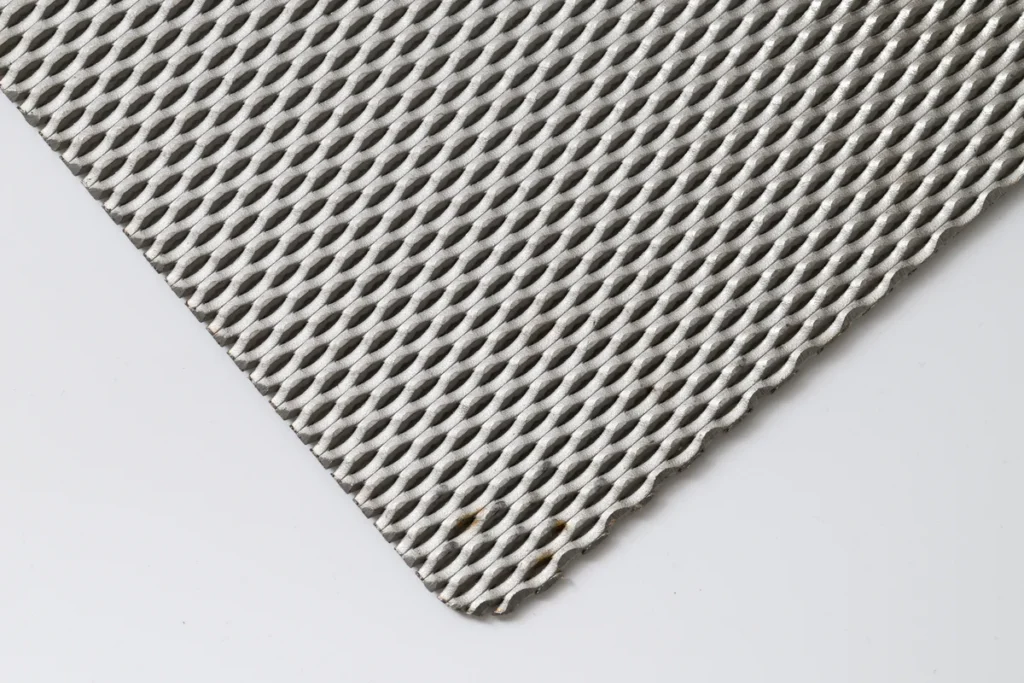
Woven titanium wire mesh fills a specific niche: applications where you need the corrosion resistance of titanium in a woven filter or screen format. It costs more than stainless steel mesh, so the decision to use it should be driven by process chemistry — typically acidic environments, chloride exposure, or long service life requirements where SS would need frequent replacement. This article covers the grades, weave types, specifications, and practical applications for woven titanium mesh.
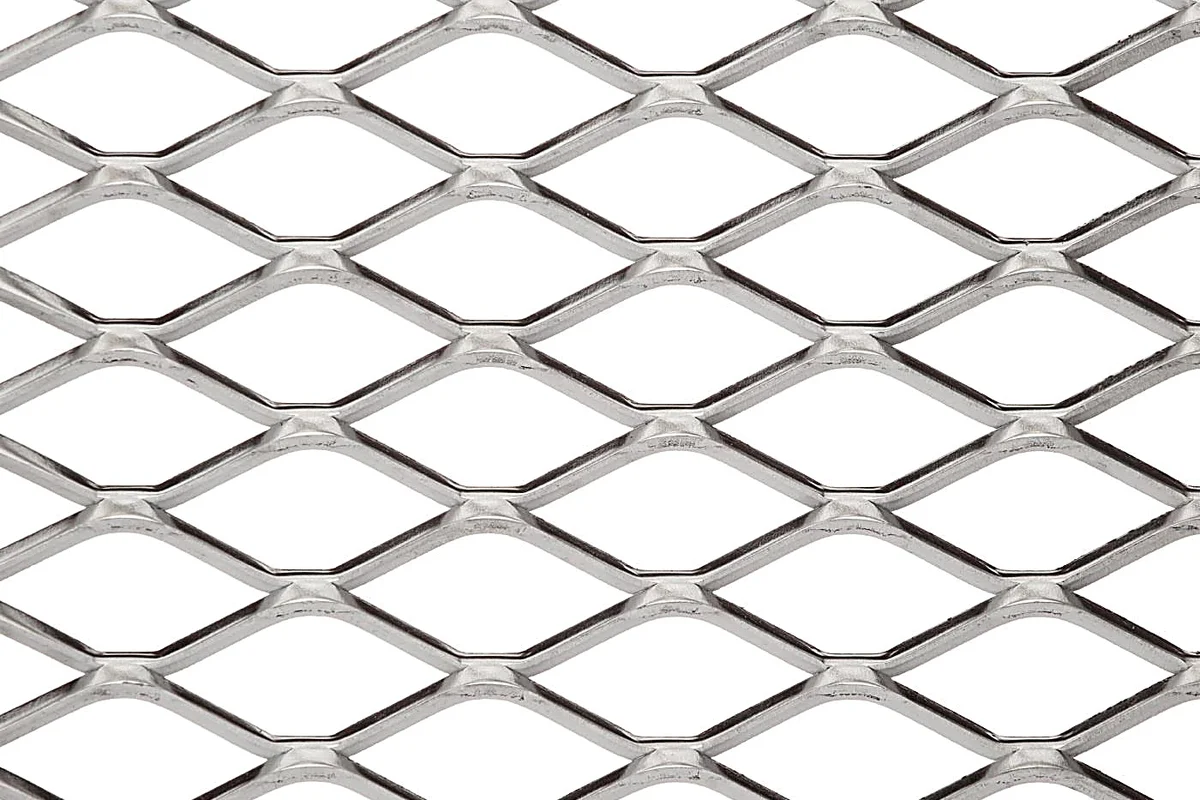
Titanium Grades for Wire Mesh
Most woven titanium mesh is produced from Grade 1 or Grade 2 commercially pure (CP) titanium wire per ASTM B348.
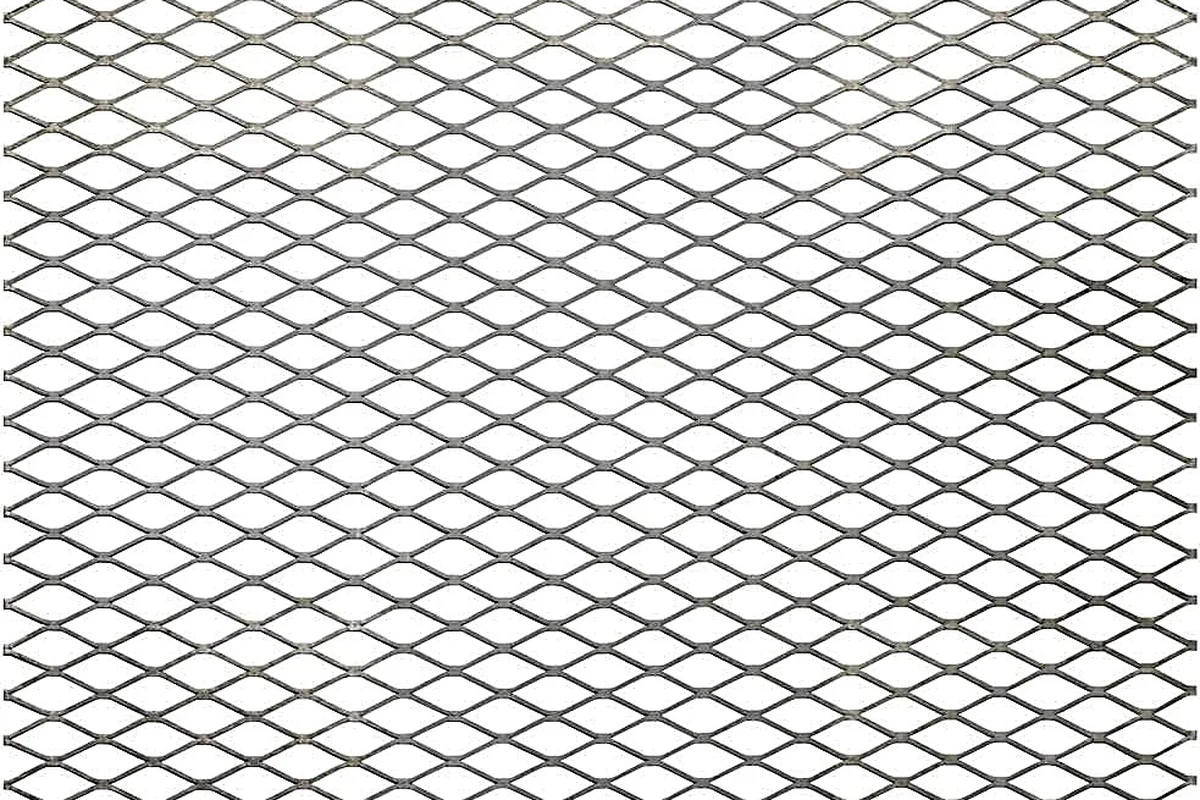
- Grade 1 — The softest CP grade. Lower tensile strength (240 MPa min) but better ductility and formability. Preferred for fine mesh (above 100 mesh count) where the wire must bend tightly at each crossover without fracturing. Also slightly better corrosion resistance due to lower iron content.
- Grade 2 — Higher strength (345 MPa min) with moderate ductility. The workhorse grade for mesh counts below 100 where wire diameters are larger and weaving stresses are lower. Better structural rigidity in coarser screens.
Grade 5 (Ti-6Al-4V) and Grade 7 (Ti-0.2Pd) mesh exist but are uncommon. Grade 5 is difficult to weave due to its high strength and low ductility. Grade 7 is specified only for severe reducing acid environments (hot HCl, H₂SO₄) where the palladium addition extends the passive range.
Weave Types
Plain Weave
Each warp wire passes alternately over and under each weft wire — the simplest pattern. Produces a symmetrical mesh with square or near-square openings. Used for general screening, separation, and structural applications. Available from coarse (2 mesh/inch) to moderately fine (200 mesh/inch). Filtration rating is determined by the nominal opening size.
Twill Weave
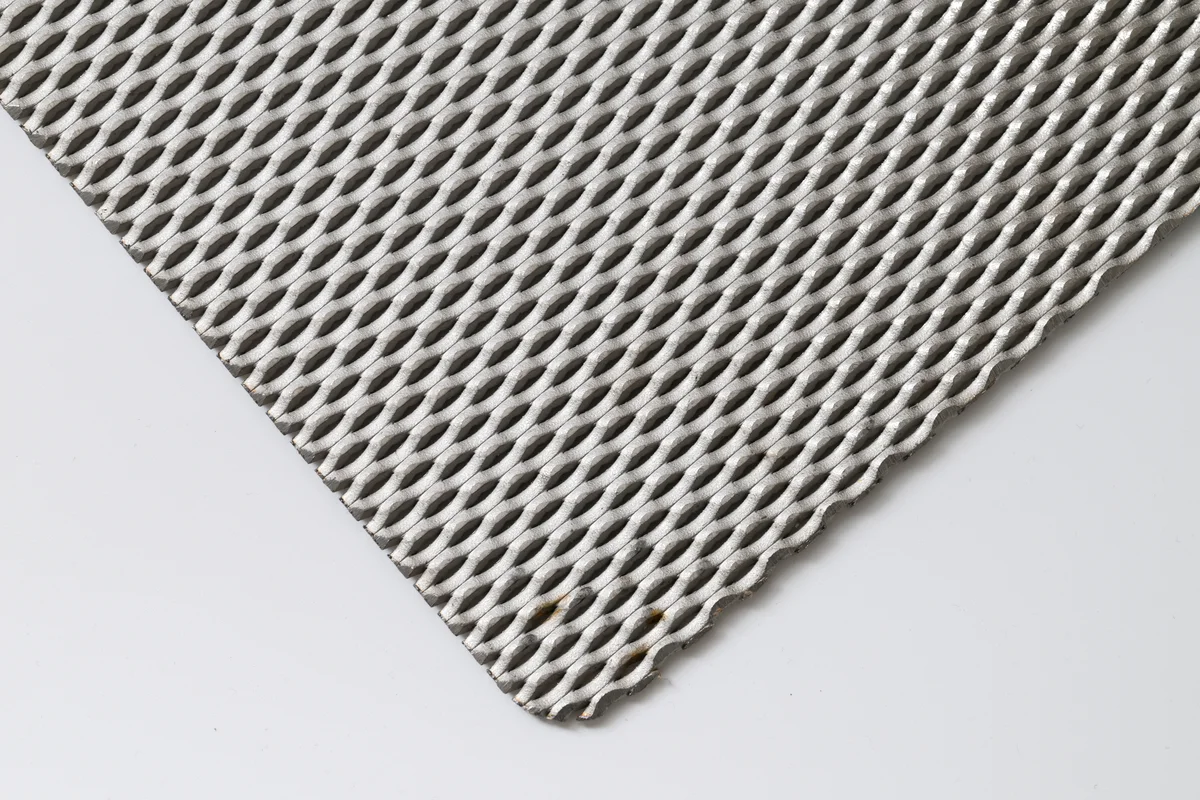
Each wire passes over two and under two adjacent wires, creating a diagonal pattern. Twill weave allows tighter packing of heavier wires — useful when you need higher strength in a given mesh count. Slightly more complex to produce but provides better drape and flexibility than plain weave at the same specification.
Dutch Weave (Plain and Twill)
Dutch weave uses a thicker warp wire and a thinner, more closely spaced weft wire. The weft wires are driven tightly together so they touch, creating a dense barrier with controlled filtration passages. This is the configuration for precision filtration.
- MPW (Multi-layer Plain Dutch Weave) — Plain Dutch pattern. Offers good flow rates with moderate filtration precision. Filtration ratings from roughly 20–315 µm depending on the mesh specification.
- MXW (Multi-layer Twill Dutch Weave) — Twill Dutch pattern. Tighter weave structure allows finer filtration ratings, down to 3–5 µm for the finest specifications. Higher pressure drop than MPW but better particle retention.
Dutch weave mesh is specified by its warp × weft count (e.g., 24 × 110, 80 × 700, 165 × 1400) rather than a single mesh number, since the two directions have different wire diameters and spacings.
Specifications Overview
Wire material: ASTM B348 Grade 1 / Grade 2 CP Titanium
Mesh count: 2–400 mesh/inch (plain and twill weave)
Wire diameter: 0.02–1.5 mm
Filtration precision: 3–315 µm (Dutch weave types)
Roll width: Up to 2000 mm
Roll length: Up to 30 m (varies by mesh count and wire diameter)
Edge finish: Selvedge or cut edge; welded edge on request
Applications
Chemical Process Filtration
Titanium mesh screens are used in reactors, distillation columns, and filtration housings handling chloride-bearing fluids, acidic process streams, and hot brine. Typical examples include chlor-alkali brine filtration, TiO₂ pigment production slurry screening, and nitric acid catalyst recovery. In these environments, 316L stainless steel may pit or crevice-corrode within months; titanium typically lasts years without measurable loss.
Electrode Substrates
Woven titanium mesh serves as a substrate for dimensionally stable anodes (DSA) in electrochemical processes. The mesh is coated with mixed metal oxide catalysts (Pt, IrO₂, RuO₂) by thermal decomposition or electrodeposition. Applications include seawater electrolysis for hypochlorite generation, electrowinning, and cathodic protection anode manufacture. The mesh geometry provides high active surface area per unit projected area.
Marine and Seawater Systems
Titanium is effectively immune to seawater corrosion. Woven mesh is used in seawater intake strainers, desalination pre-filters, offshore platform equipment, and shipboard filtration systems. The long service life justifies the material premium in installations where maintenance access is difficult or expensive.
Aerospace and Defense
Aerospace specifications for titanium mesh include engine inlet screens, hydraulic fluid filtration, and environmental control system filters. The strength-to-weight ratio advantage of titanium over steel is relevant in weight-sensitive airframe applications. Dutch weave mesh provides the fine filtration ratings needed for hydraulic system protection.
Titanium Mesh vs. Stainless Steel Mesh
The decision between Ti and SS mesh usually comes down to three factors:
- Corrosion environment — If the process fluid contains chlorides above ~200 ppm at elevated temperatures, or strong oxidizing acids, titanium is the safer choice. For non-aggressive fluids (clean water, mild alkaline solutions, dry gases), stainless steel works fine and costs less.
- Service life vs. replacement cost — Titanium mesh costs roughly 5–8× more than equivalent 316L SS mesh. But if the SS mesh needs replacement every 6–12 months and the Ti mesh lasts 5–10 years, the total cost of ownership favors titanium — especially when you factor in downtime and labor for change-outs.
- Weight — Titanium is 56% the density of 316L stainless (4.51 vs. 8.0 g/cm³). For aerospace, marine, and portable equipment, this matters.
There is no performance benefit to titanium mesh in benign environments. Use it where the chemistry demands it.
Ordering and Custom Fabrication
When ordering titanium woven mesh, specify: grade (1 or 2), weave type, mesh count (or warp × weft for Dutch), wire diameter, roll width, and quantity. For filtration applications, also specify the required filtration rating — we can recommend the appropriate Dutch weave specification to meet your particle retention target.
Cut-to-size pieces, discs, and fabricated filter elements (spot-welded or edge-sealed) are available in addition to roll stock.
For specifications, pricing, and technical data on titanium woven mesh, visit the woven mesh product page or reach out to our team with your application details.