
Ti Sintered Powder Filter Element
Grade 2 titanium powder, pressed and vacuum-sintered into a porous filter element. Confirm chemical compatibility for the actual fluid, concentration, temperature and operating conditions before ordering.
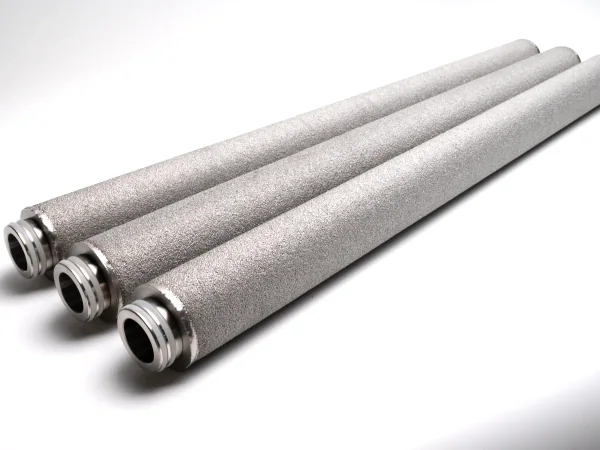
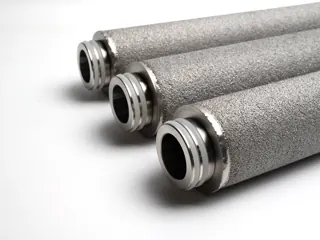
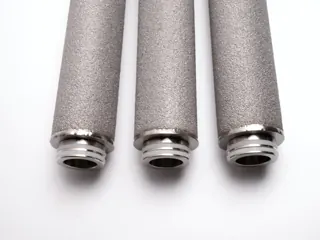
Ti Sintered Powder Filter Element
Pharmaceutical and food-contact suitability must be assessed for the finished component and intended use. Material grade alone does not establish biocompatibility or regulatory compliance; agree the required evidence before ordering.
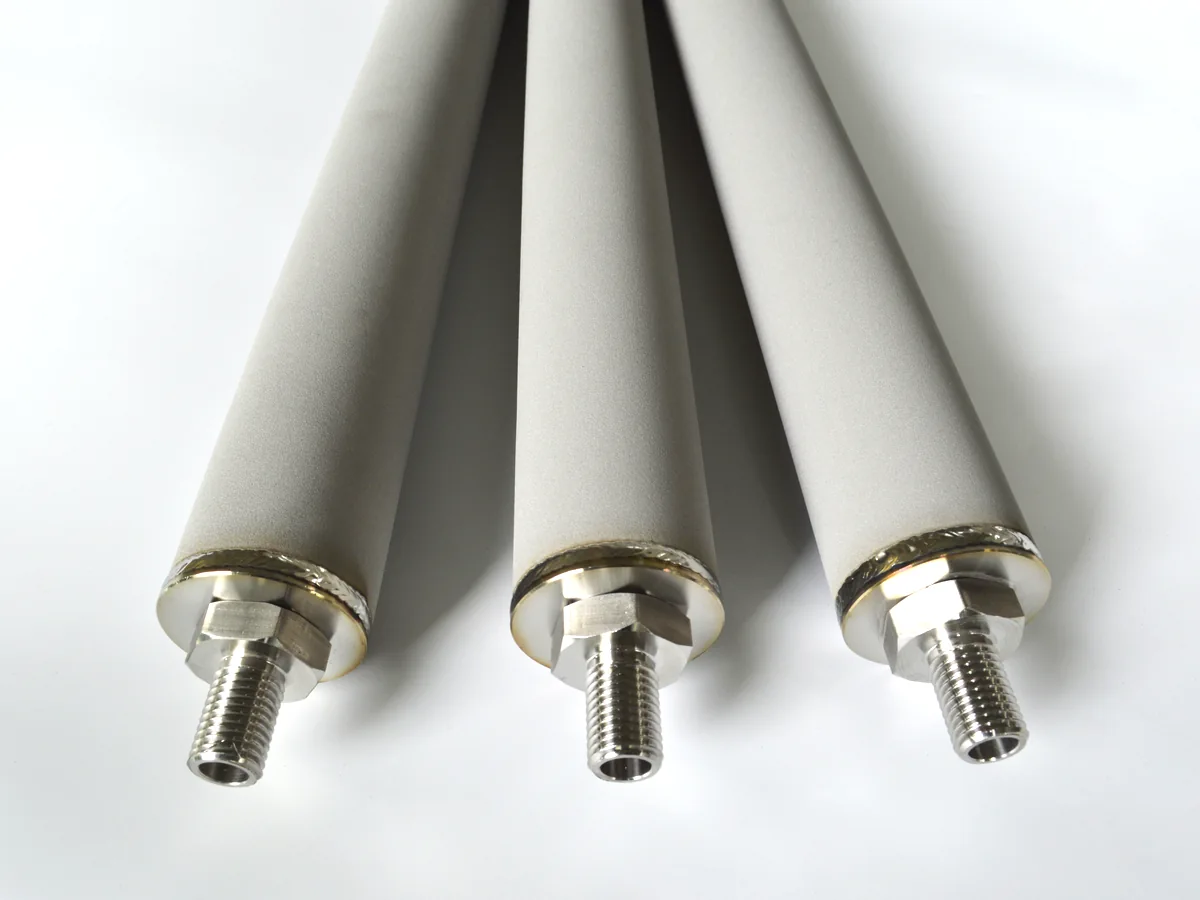
Connection options include DOE, 222/226 O-ring connections, M20/M30 threads, 1-inch NPT and fin-end configurations, subject to the agreed drawing. Confirm the housing dimensions, seals and pressure rating before ordering. A connection code alone does not establish interchangeability with a particular cartridge or bag-filter housing.
Ti Sintered Powder Filter Element — Full Specification
What Sets Titanium Sintered Elements Apart
Material Compatibility
Confirm material compatibility for the actual medium, concentration, temperature and operating conditions before ordering. Titanium is not specified here as universally resistant to hydrochloric or sulfuric acid.
All-Metal Titanium Structure
No binder or polymer filtration layer is used in the structure. For pharmaceutical or food-contact service, material suitability and extractables expectations should be reviewed within the end user's own validation process.
Backwashable and Regenerable
Select cleaning chemistry, temperature and reverse-flow pressure for the material and deposited contaminants. Reuse depends on inspection and agreed performance checks after cleaning; unchanged structure or unlimited regeneration is not guaranteed.
Custom Porosity and Dimensions
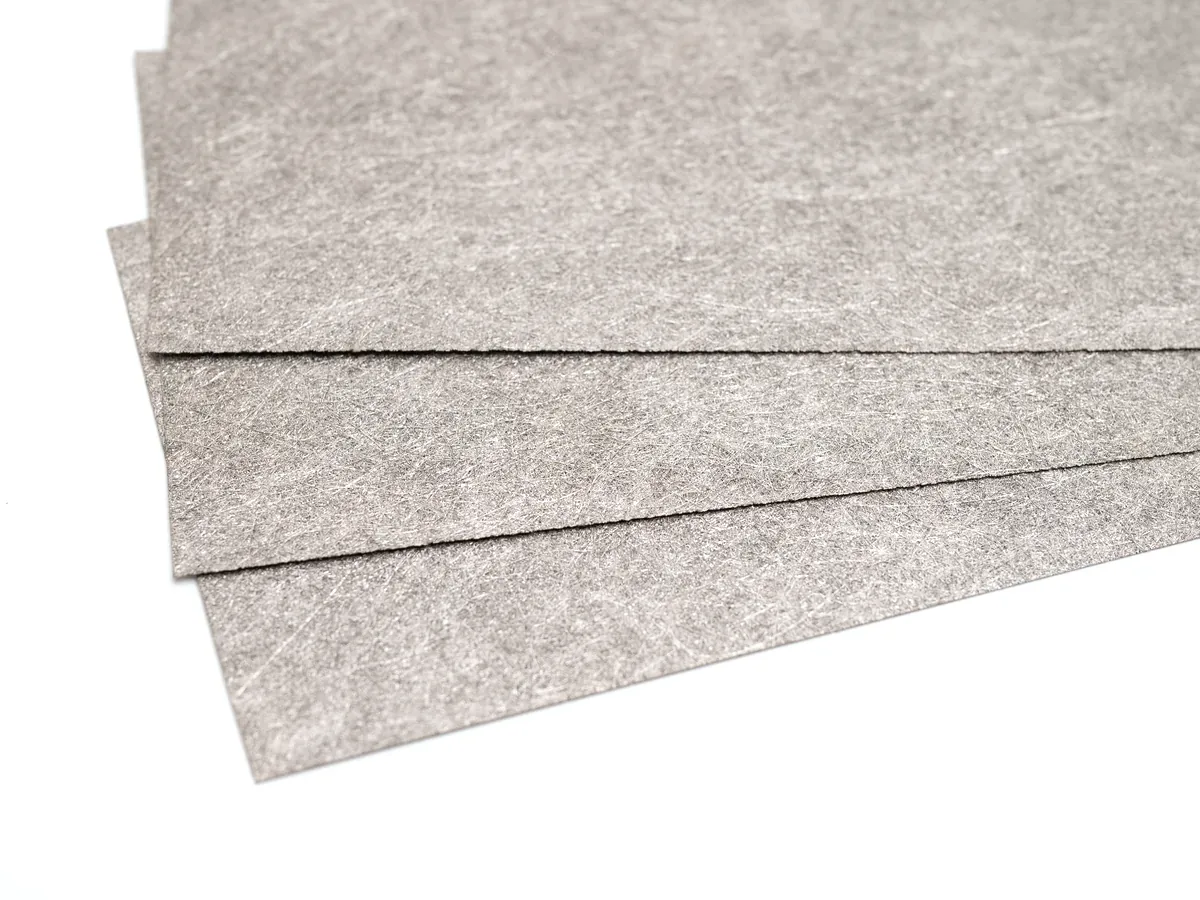
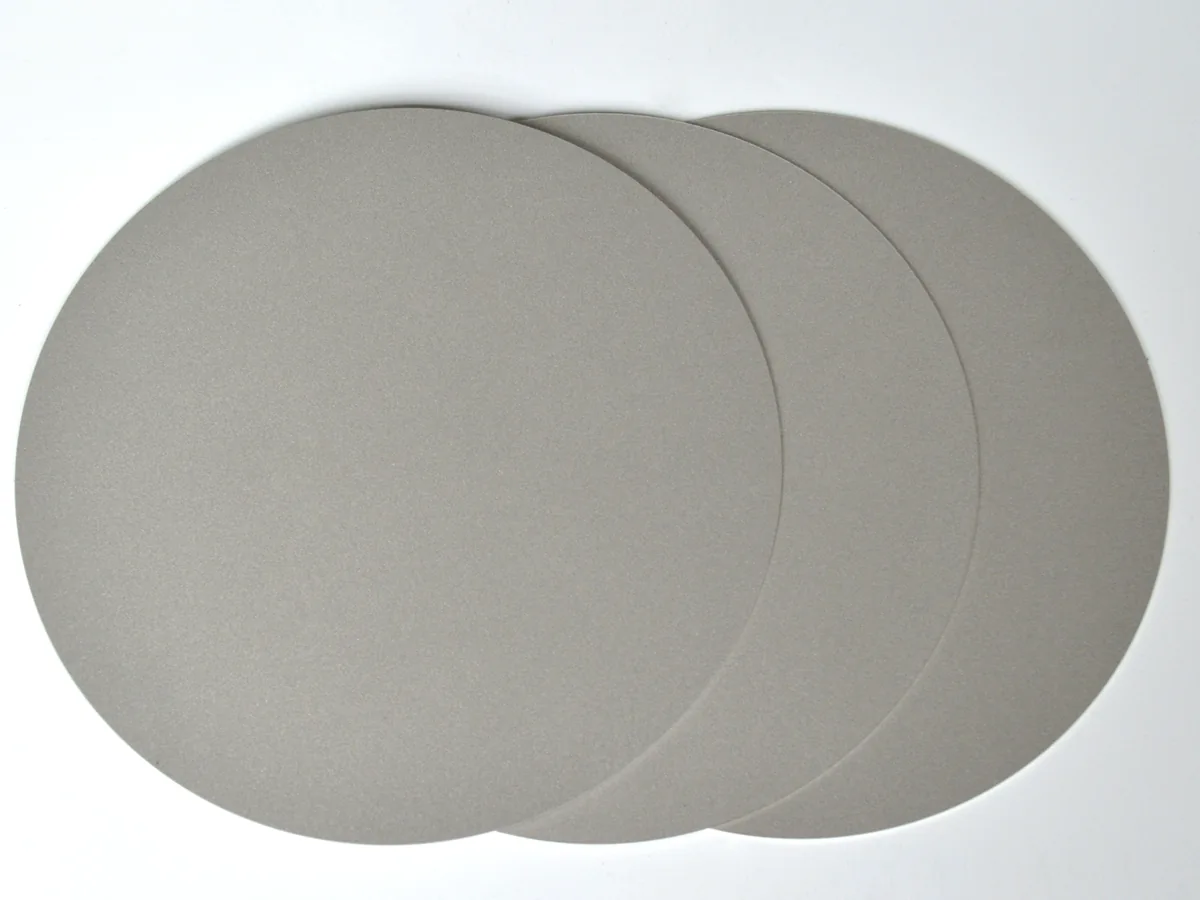
Porosity 30–45% and pore size 0.22–100 µm adjustable by specification. Disc or plate formats for electrolyzer stack dimensions on request.
Standard Cartridge End-Cap Options
DOE (double open end), 222/226 O-ring quick-connect, M20 or M30 threaded end, 1″ NPT, and fin-end configurations — all to customer specification.
Stable to 400 °C (typical) — No Polymer Degradation
The all-metal structure holds its pore size and outer dimensions under continuous high-temperature service, not recommended above 400 °C. Actual limit depends on alloy, atmosphere, and mechanical load. Polymer cartridge media typically degrades above 50 °C, and even PTFE elements distort under 0.2 MPa external load once temperatures pass 120 °C.
Where Titanium Sintered Elements Are Specified
PEM / PEMWE Porous Transport Layer
Titanium PTL suitability must be verified for the cell design, electrolyte, electrode potential and temperature. The material name alone does not establish acid resistance or service life.
1–10 µm · 30–45% porosity · CustomPharmaceutical API Filtration
Pharmaceutical and food-contact suitability must be assessed for the finished component and intended use. Material grade alone does not establish biocompatibility or regulatory compliance; agree the required evidence before ordering.
0.5–5 µm · Application validation requiredDesalination Pre-filtration
Pre-filter upstream of RO membranes in seawater and brackish-water desalination. Titanium resists chloride pitting that shortens SS element life.
5–20 µm · Seawater-grade TiChlor-alkali Filtration
Filter elements for brine and chlorine service in chlor-alkali plants — environments where 316L and even duplex SS fail by pitting and crevice corrosion.
1–10 µm · Wet chlorine serviceOzone Aeration — Water Treatment
Titanium diffuser tubes and discs for ozone injection in municipal water treatment. Corrosion-resistant in oxidising ozone/water environment.
5–50 µm · Ti tubes/discs · CustomFood and Beverage Clarification
Commonly specified for beverage, dairy, and brewing filtration where titanium compatibility is preferred. CIP suitability and documentation requirements should be confirmed for the actual process.
1–10 µm · CIP review · TiClean-Steam and Hot-Gas Filtration
All-metal structure withstands continuous steam and hot-gas service to 400 °C without the dimensional change seen in polymer or PTFE elements — used for clean-steam filtration in fermentation and sterile-utility lines.
1–10 µm · ≤ 400 °C steam serviceStandard 10" Cartridge for Housing Retrofit
Φ60 × 254 mm cartridge format with 222/226 quick-connect or M20/M30 threaded ends — a drop-in replacement for polymer cartridges in standard housings. Collapse pressure ≥ 3.5 MPa; internal burst ≥ 0.6–1 MPa depending on pore rating.
0.45–50 µm · Φ60×254 mm · 222/226Industries Specifying Titanium Sintered Elements


Related Filter Cartridge Options
Request Specifications or a Quote
Specify your pore size, porosity, and format (tube / disc / plate). We will confirm dimensions, lead time, and available certifications.
FILTURE is a supplier and exporter of sintered metal filter elements — parts are made to order and shipped worldwide.