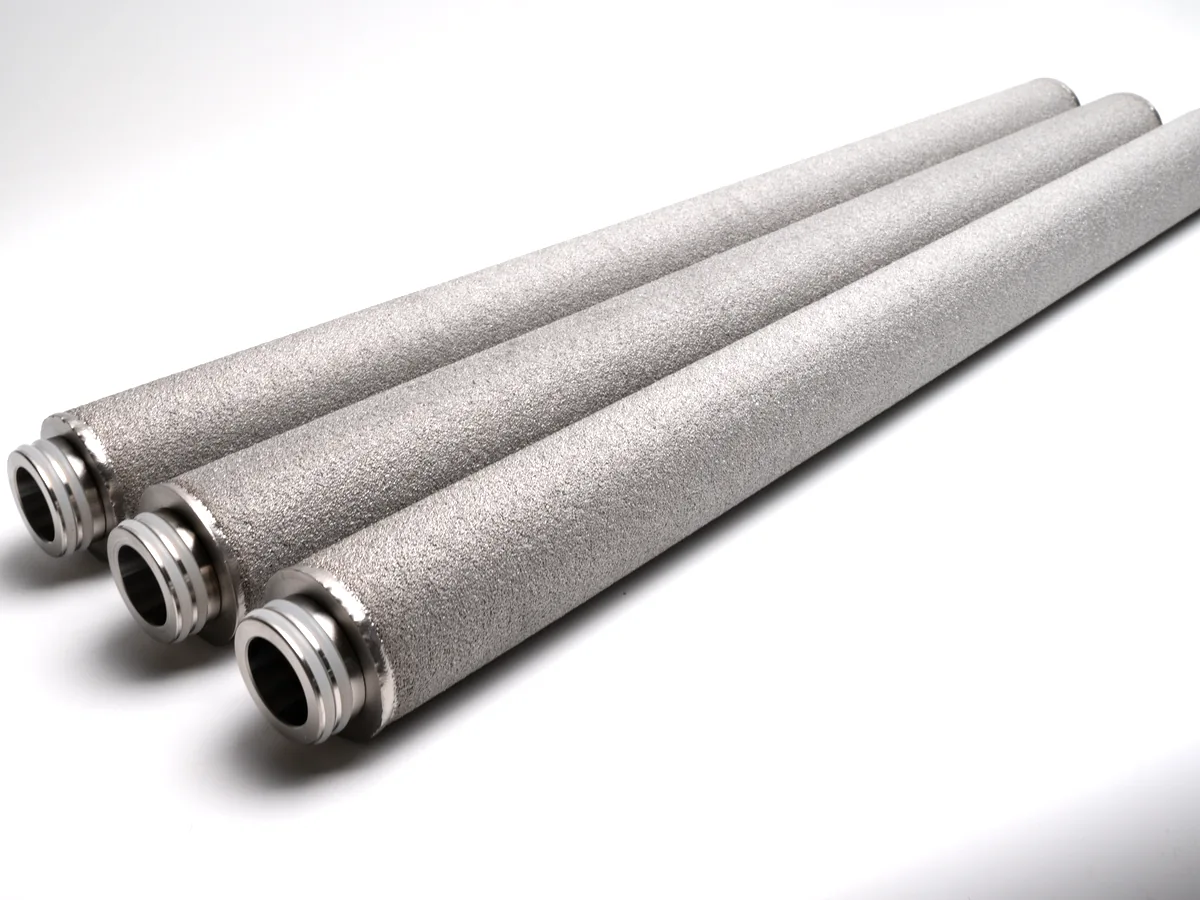
Sintered porous discs in 316L SS or Pure Ti. Inline point-of-use filters, sparger discs, and PEM electrolyzer cell components.
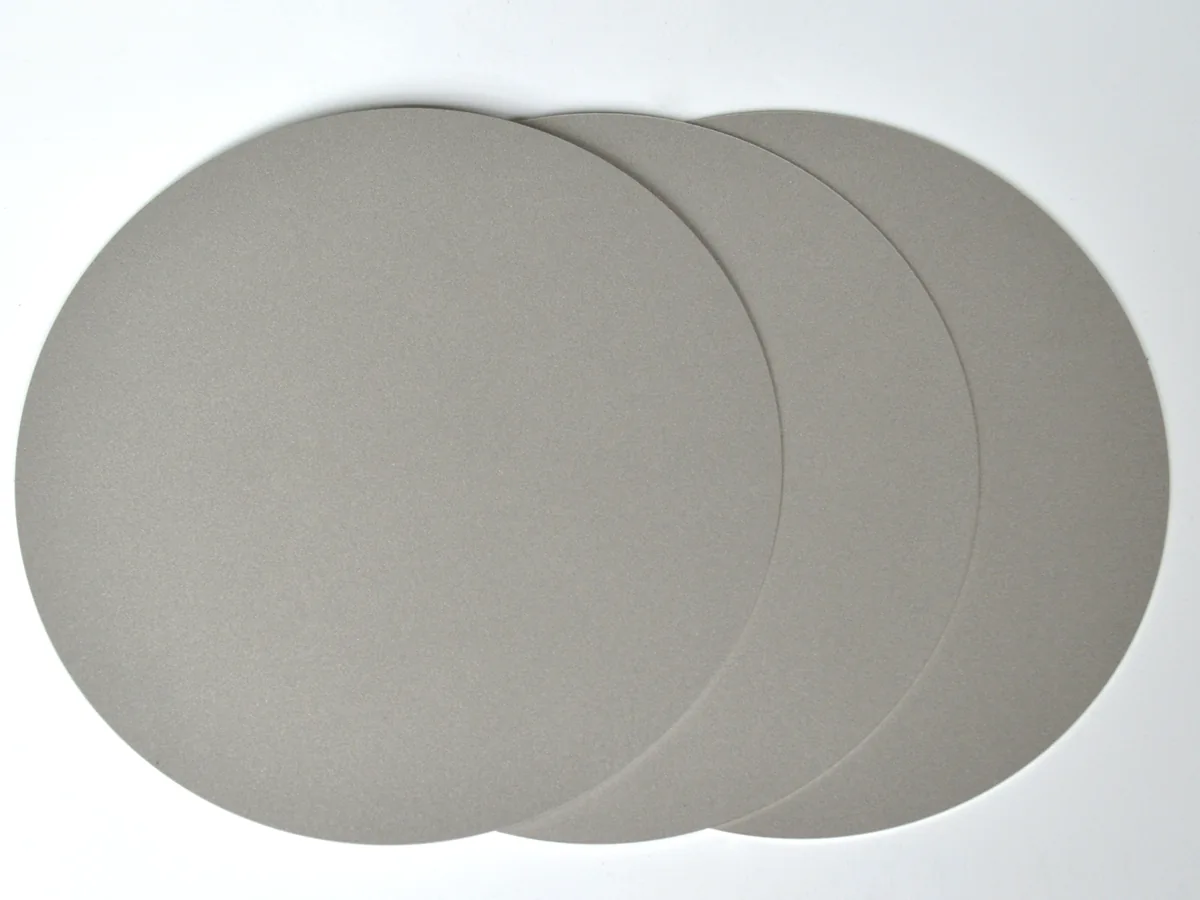
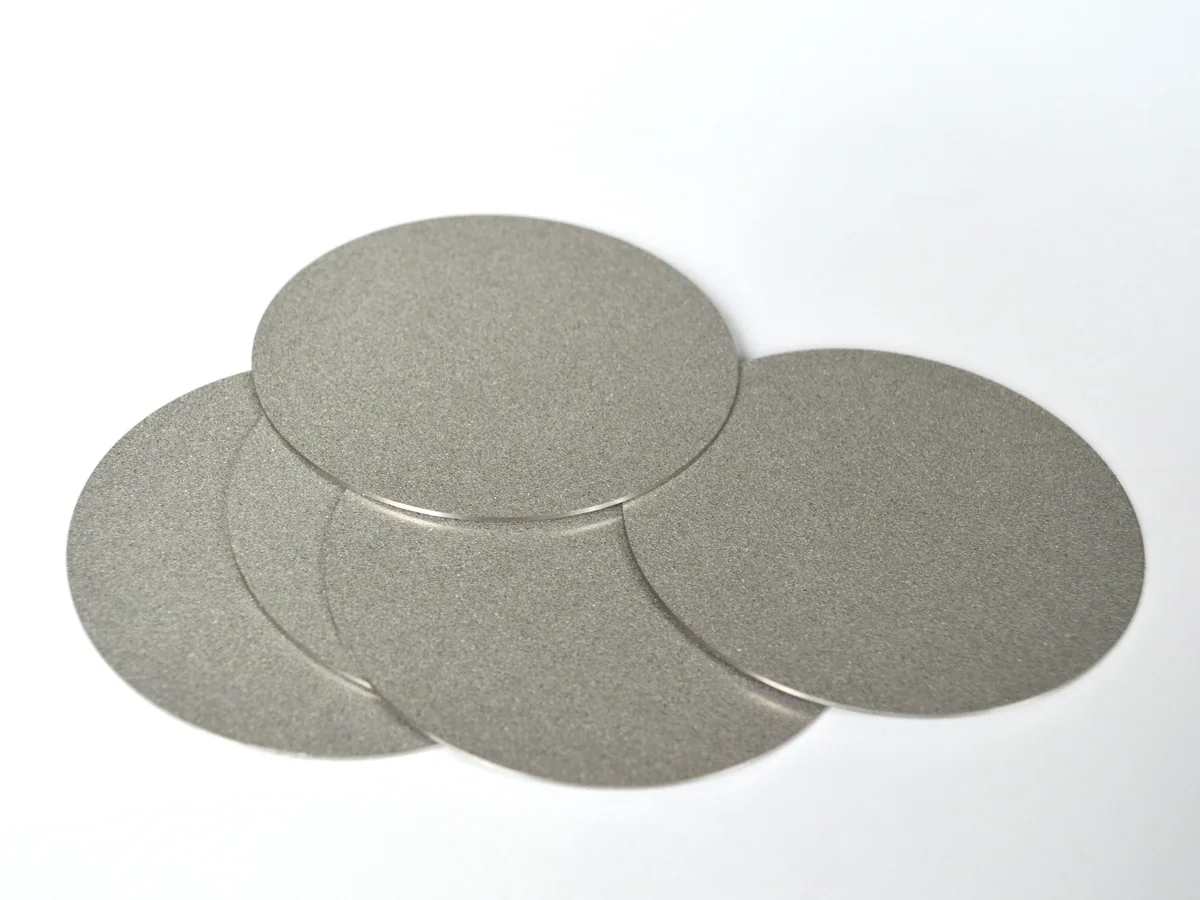
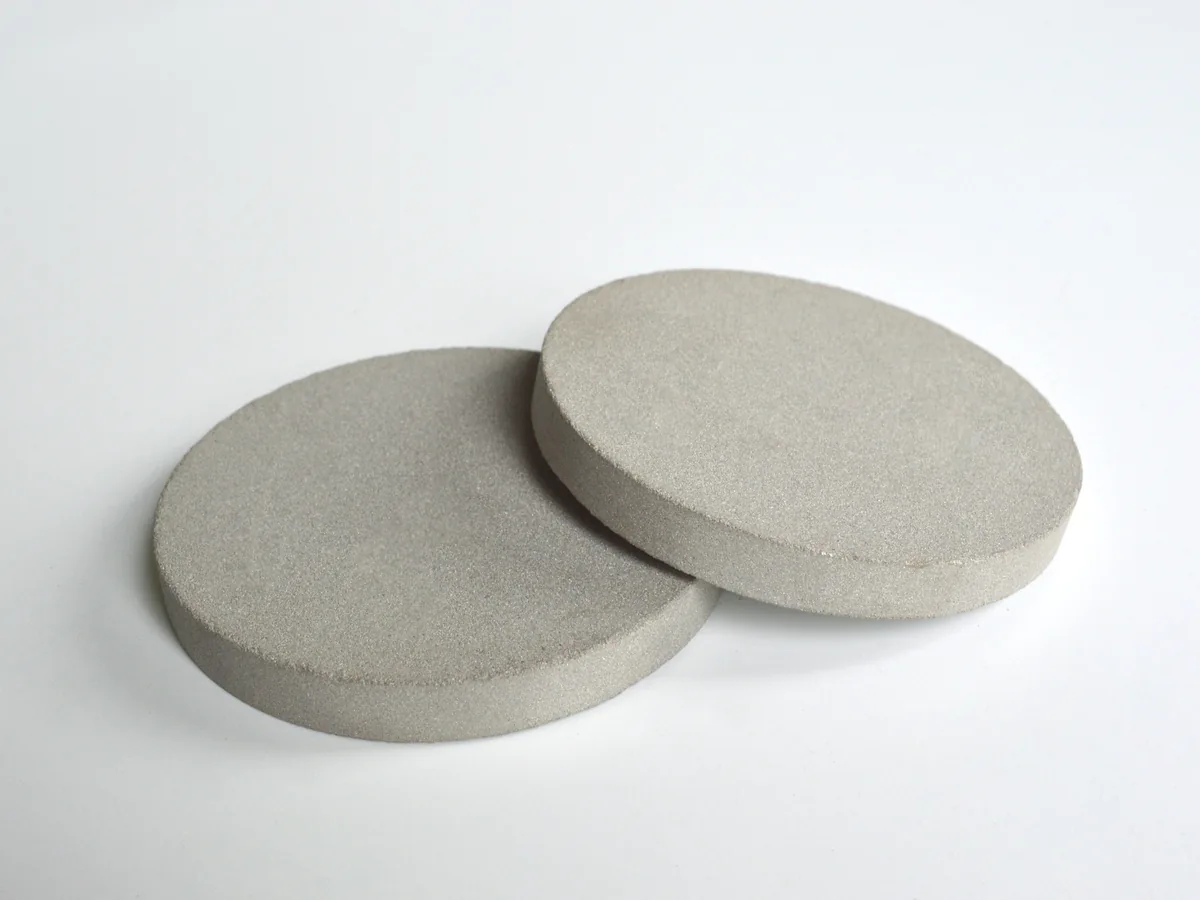
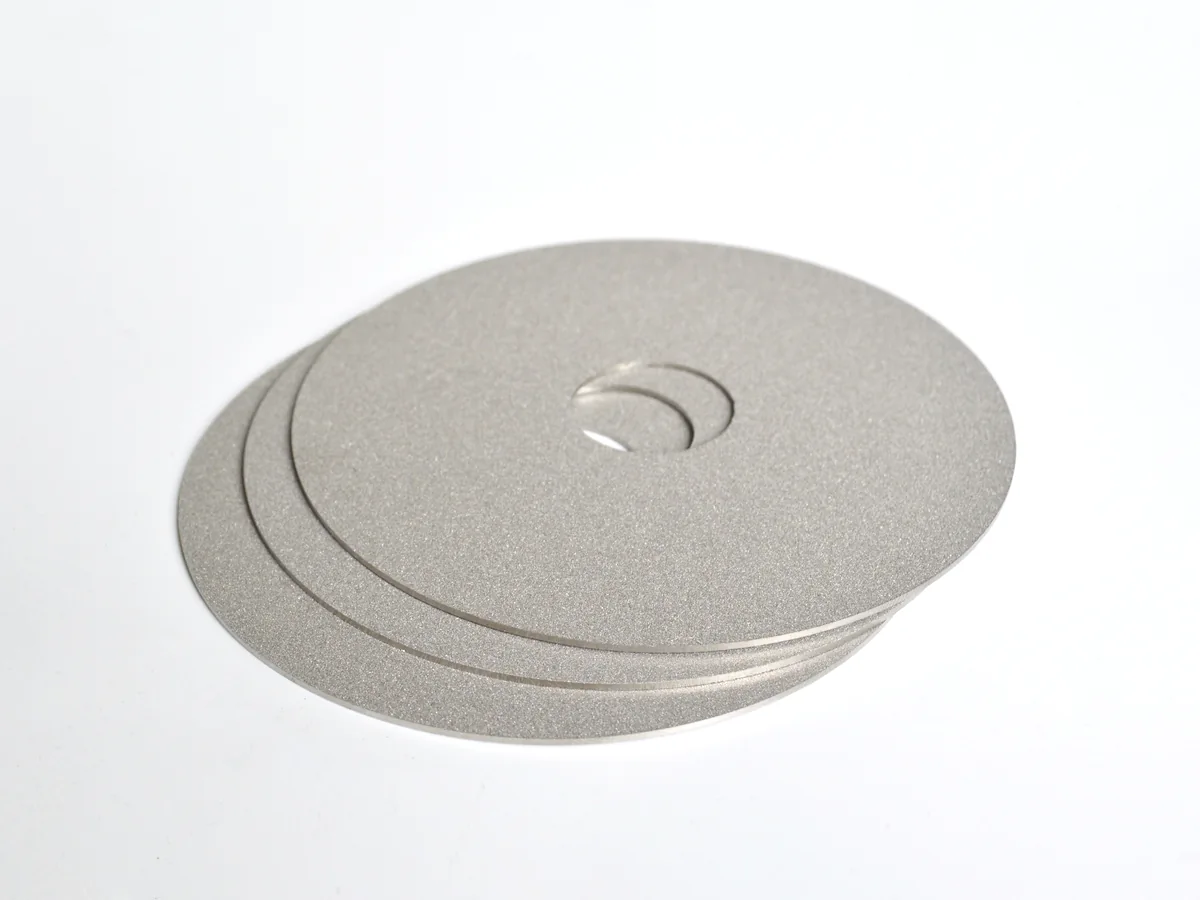
Diameter range φ5–400 mm (Ti) or φ5–300 mm (SS); thickness 0.5–20 mm (Ti) or 0.5–10 mm (SS). Discs can be pressed to net shape in quantity, or cut from sheet for prototype and small-batch orders.
For PEM electrolyzer use, titanium porous discs in cell-specific diameters serve as porous transport layers — specifying controlled porosity (30–45%) and pore size. For in-line filtration, discs are threaded into pipe unions or pressed into housings for point-of-use particle removal.
For flame-arrestor duty, SS316L discs are sintered to a fine, homogeneous pore structure — down to 0.22 µm — that helps quench flame propagation by heat absorption and flow restriction. The rigid sintered structure can typically be cleaned by ultrasonic or thermal methods for repeated reuse. Discs for high-vibration housings or frequent tool changes can be supplied with a 1 mm welded outer reinforcement ring.
Specify whether the disc is used for point-of-use filtration, gas sparging, controlled flow resistance, catalyst support, or a PEM component. Then provide the disc diameter, thickness, required pore range, process medium, temperature, pressure, flow direction, and any sealing or housing details. This establishes whether a net-shape pressed disc or a cut-from-sheet disc is the better manufacturing route.
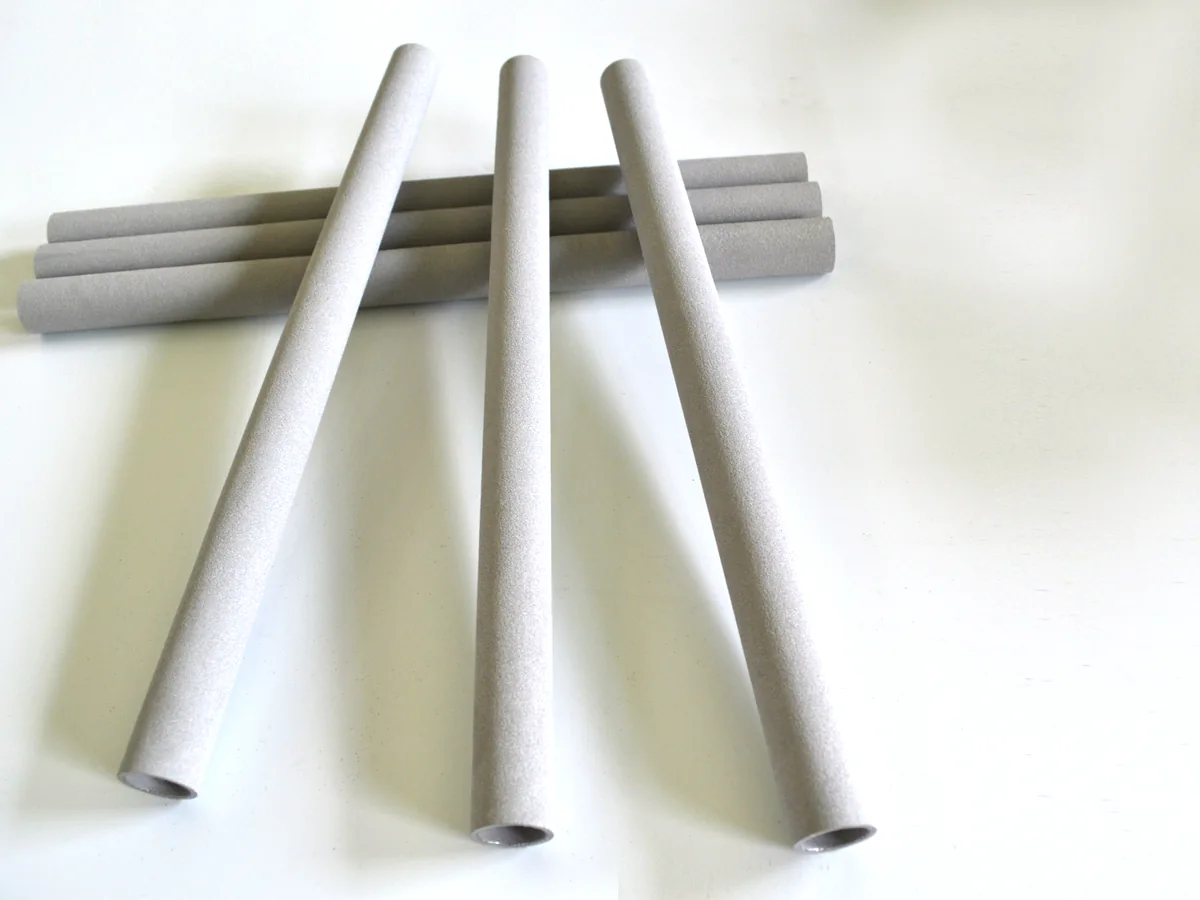
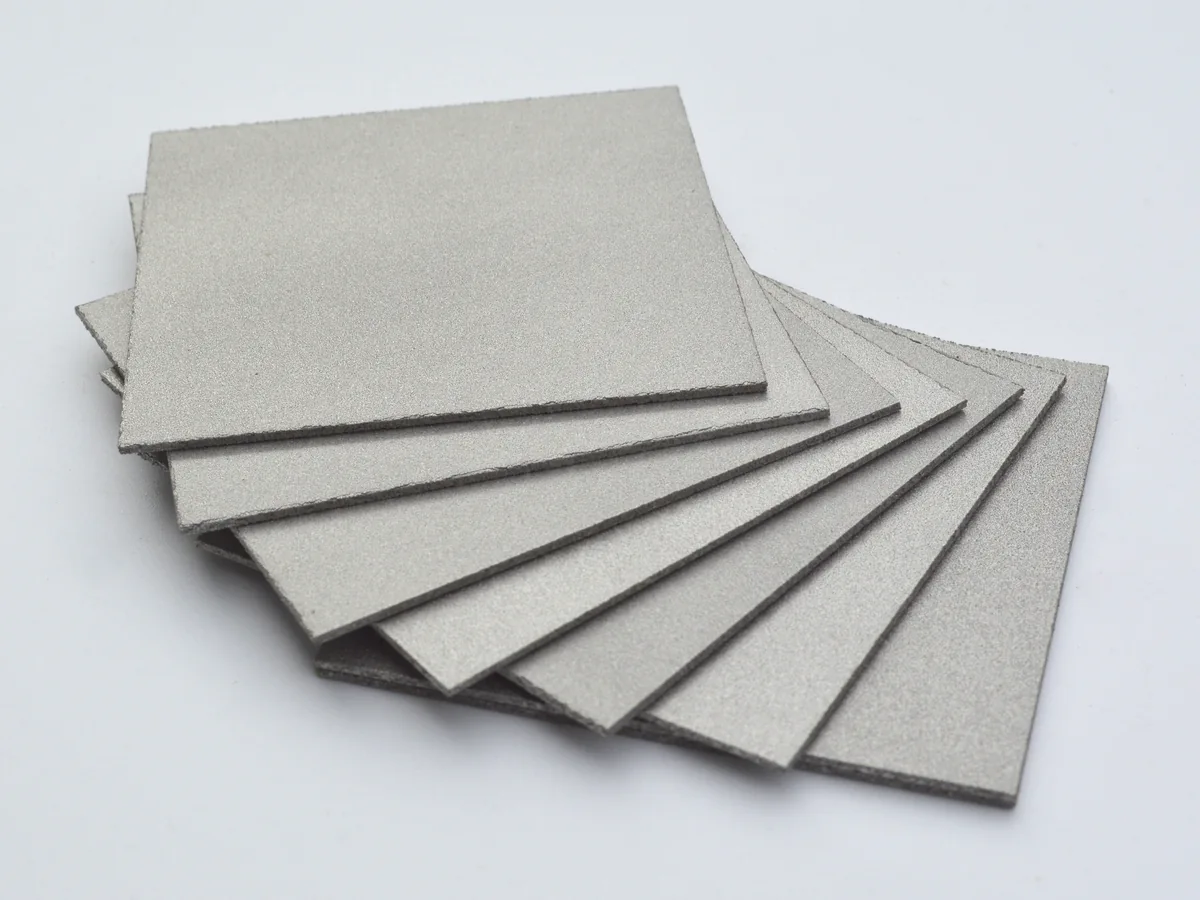
Choose 316L for standard filtration and pure titanium where corrosion resistance or PEM compatibility is required. For a tubular format with greater filtration area, see sintered porous metal tubes; for larger flat formats, see porous metal plates. For PEM projects, also review FILTURE's hydrogen and PEM application page before submitting a technical RFQ.
φ5 mm instrument-line discs to φ400 mm large-cell electrolyzer components — the same sintering process scales across the full diameter range.
±0.1 mm OD and ±0.05 mm thickness as standard. Tighter tolerances for electrolyzer stack components on request.
Ti discs to customer-specified cell geometry, with controlled porosity and pore size, for porous transport layer duty in PEM electrolyzers and fuel cells.
Rigid sintered structure survives backwash, acid soak (HNO₃ for Ti; acid or alkali for SS), and ultrasonic cleaning without structural change.
A fine, homogeneous SS316L pore structure down to 0.22 µm absorbs heat and blocks flame propagation — the basis of the disc element used in vent-line and deflagration flame arrestors.
A 1 mm welded outer ring reinforces the disc edge for high-vibration housings and frequent tool changes, without reducing the active filtration area.
Porous transport layer on anode side of PEM cell. Pure Ti stable in H₂SO₄ electrolyte; cell-specific diameter and porosity.
φ50–400 mm · Ti · Custom porosityDisc filter threaded into pipe union or pressed into instrument fitting for last-line-of-defence particle removal.
φ5–50 mm · SS or Ti · 0.5–20 µm0.22 µm sintered SS316L disc that quenches flame fronts in vent lines, deflagration arrestors, and fuel-gas safety trains. Reusable after ultrasonic or thermal cleaning.
0.22 µm · 316L · ReusableFine-bubble gas diffusion in bioreactors, fermenters, and ozone contact vessels, including 1/2" NPT-threaded titanium aeration heads for direct fermentor mounting. Uniform bubble size across the disc surface.
2–50 µm · Ti or SS · NPT optionPorous disc supports fixed catalyst bed in micro-reactors and lab-scale equipment. Sized to tube ID for tight fit without bypass.
2–50 µm · SS or Ti · Custom ODPorous disc at base of pharmaceutical vessels and filter units for liquid discharge filtration. Cleanable in place.
0.5–10 µm · 316LDisc with a 1 mm welded outer ring for chromatography columns, catalyst recovery, and high-vibration housings requiring frequent removal.
316L · 1mm ringSintered disc as a controlled-resistance flow restrictor in process lines — uniform distributed resistance vs. a single orifice plate.
5–100 µm · SSProvide diameter, thickness, pore size, and quantity. We will confirm pressing or cutting method and lead time.
FILTURE is a supplier and exporter of sintered metal filter elements — parts are made to order and shipped worldwide.