When you’re selecting a filter cartridge, the first question is usually about price. Standard disposable filters cost less upfront. Pleated stainless steel cartridges cost more. So is the premium worth it?
The short answer: it depends on your operating conditions. For light-duty, low-temperature applications with non-aggressive chemicals, standard filters do the job. For anything tougher, stainless steel pleated mesh cartridges are almost always the better long-term choice — see our material selection guide for a full alloy comparison.
Side-by-Side Comparison
Comparison point
Standard disposable filter
Material
Stainless steel 316L (sintered mesh)
Synthetic fiber, paper, or fabric
Max temperature
480°C continuous, 600°C intermittent
Typically 80–150°C
Chemical resistance
Acids, caustics, solvents, oxidizers
Limited — degrades in aggressive media
Pressure rating
Up to 250 bar (pleated type)
Usually <10 bar
Filtration accuracy
Absolute rating maintained after cleaning
Degrades over time and under stress
Cleanable
Yes — backwash, ultrasonic, chemical soak
No — single use, then disposed
Typical service life
12–24 months with regular cleaning
30–90 days before replacement
Initial cost
Higher
Lower
Total cost over 3 years
Lower (far fewer replacements)
Higher (recurring purchase + disposal)
Particle shedding risk
None — fully metallic construction
Yes — fiber release possible
Where Standard Filters Still Make Sense
Not every application needs a stainless steel cartridge. Standard filters work fine if:
- The process fluid is non-corrosive and runs at ambient or low temperatures
- The system is low-pressure (under 5 bar)
- Contamination levels are very low and filter changeouts are infrequent anyway
- Budget is the primary constraint and downtime risk is low
Where Pleated SS Wire Mesh Cartridges Win Clearly
Chemical Processing
Standard filters degrade quickly when exposed to acids, caustics, and organic solvents. Stainless steel 316L holds up to essentially all industrial chemicals. The metallic construction eliminates the risk of media breakdown introducing contaminants downstream.
Pharmaceutical Manufacturing
Pharma processes require filters that won’t shed particles into the product stream. Sintered stainless steel mesh has no fibers to shed. The filter surface is smooth, easy to validate, and can be steam-sterilized multiple times without dimensional changes.
High-Temperature Applications
Synthetic filter media typically fails above 150°C. Stainless steel cartridges run reliably at up to 480°C continuously — covering hot oil loops, steam systems, catalyst recovery, and polymer filtration.
Operations That Need Predictable Maintenance
If you want to schedule filter cleaning during planned shutdowns rather than reacting to emergency blockages, a cleanable metallic cartridge makes that possible. You clean it on your schedule, not the filter’s schedule.
The True Cost Comparison
Here’s a simple scenario: a system using 4 standard filter cartridges replaced every 60 days, at $40 each.
- Annual cartridge cost: ~$1,200 (plus labor for 6 changeouts per year)
- 3-year cost: ~$3,600 in cartridges alone, not counting disposal or downtime
One pleated SS cartridge at $200 cleaned 6 times per year:
- Annual cost: $200 (one-time cartridge) + cleaning labor
- 3-year cost: $200 cartridge cost + maintenance labor
For most industrial operations, the break-even point is reached within 12–18 months of switching.
How to Decide
Ask yourself three questions:
- Does my process involve temperatures above 150°C, aggressive chemicals, or pressures above 10 bar? → Go stainless steel.
- Does my industry require documented, validated filtration performance (pharma, food, defense)? → Go stainless steel.
- Am I replacing standard filters every 30–60 days and paying for the labor and disposal every time? → The TCO calculation almost always favors stainless steel.
Talk to FILTURE About Your Filtration Needs
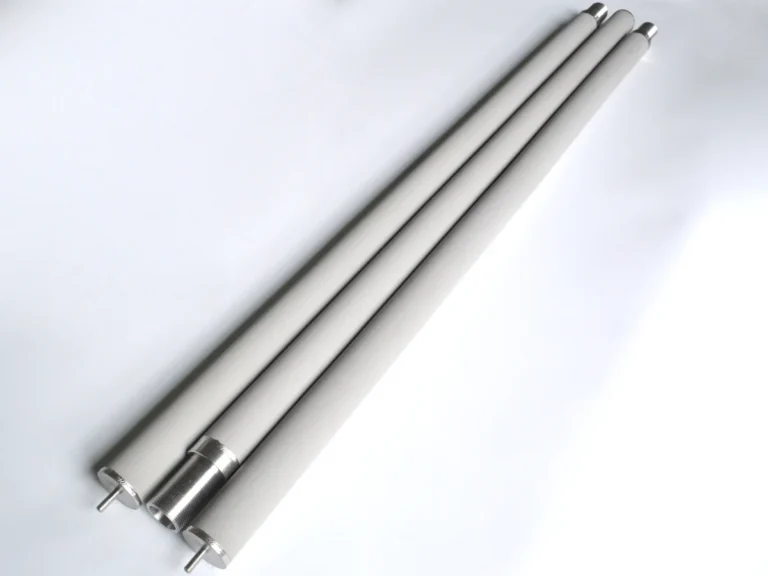
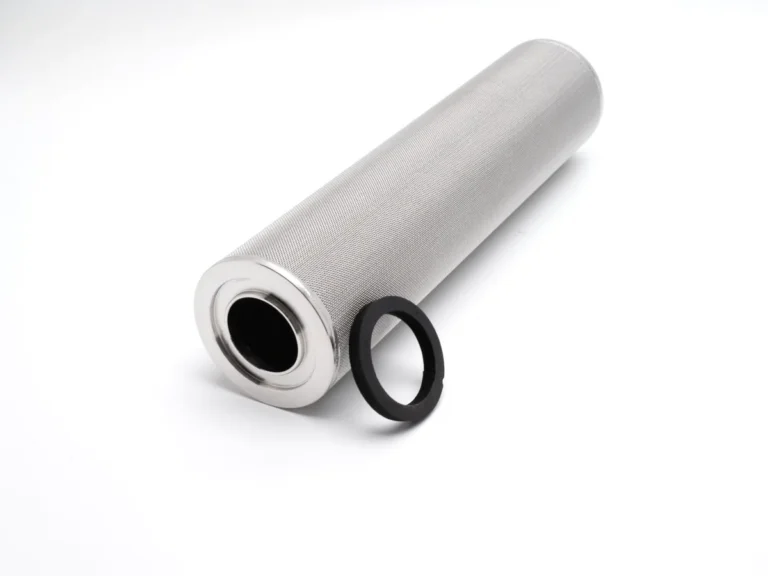
Every filtration job is different. If you’re not sure which cartridge fits your system, see the full specifications for our SS Pleated Mesh Filter Element and SS Sintered Mesh Filter Element, or request a quote with your dimensions, micron rating, and operating conditions.
Prefer email? Reach us at sam.young@filturemetal.com — we’ll get back to you with a straight answer, no sales pitch.