Pore rating is an important filter specification, but it cannot be selected in isolation. A successful sintered metal filtration design balances the particle-retention target with flow rate, fluid viscosity, available surface area, allowable differential pressure, and cleaning strategy. Selecting the finest available grade without a system calculation can produce unnecessary pressure loss or early fouling.
Define the separation objective
Start with the contaminant size distribution, the required product cleanliness, and whether the duty is protection filtration, clarification, catalyst recovery, sparging, or gas distribution. The filtration rating should be tied to the performance criterion the process actually needs. Where critical retention is required, the test method and acceptance criterion should be stated in the specification.
Account for operating conditions
Fluid viscosity changes with temperature, and gas and liquid duties behave differently. The proposed filter area, geometry, wall thickness, and pore structure affect clean pressure drop. Loading rate and contaminant characteristics then determine how quickly pressure drop rises in service. Provide normal and maximum flow, inlet pressure, temperature range, fluid properties, solids concentration, and allowable differential pressure for an informed proposal.
Size for operation and regeneration
Where a filter is intended to be backwashed or chemically regenerated, build this into the design phase. The housing, connections, and cleaning direction must support the maintenance plan. A larger effective area or a different medium structure may improve run length while retaining the required separation function.
Information for a useful quotation
- Target retention or pore rating and particle information
- Fluid or gas composition, temperature, pressure, and viscosity
- Normal and peak flow rate
- Permitted clean and terminal differential pressure
- Element dimensions, housing constraints, and end connection
- Required material certificates, inspection records, and test method
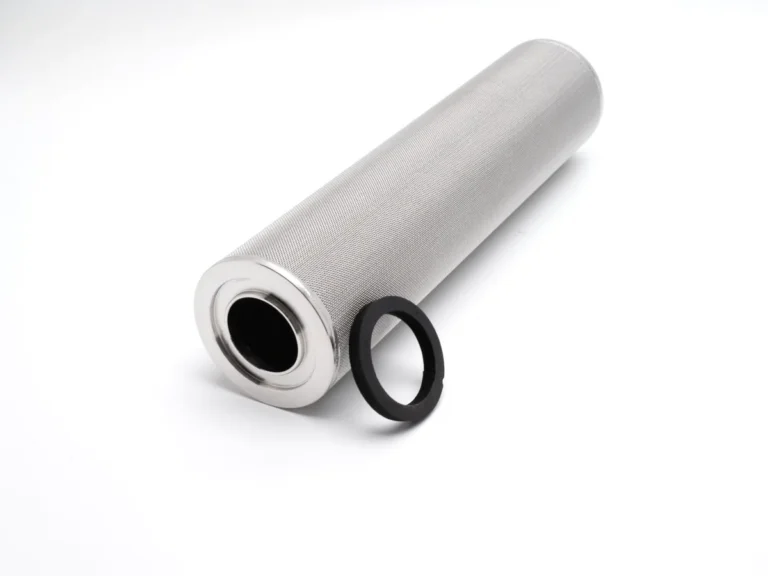
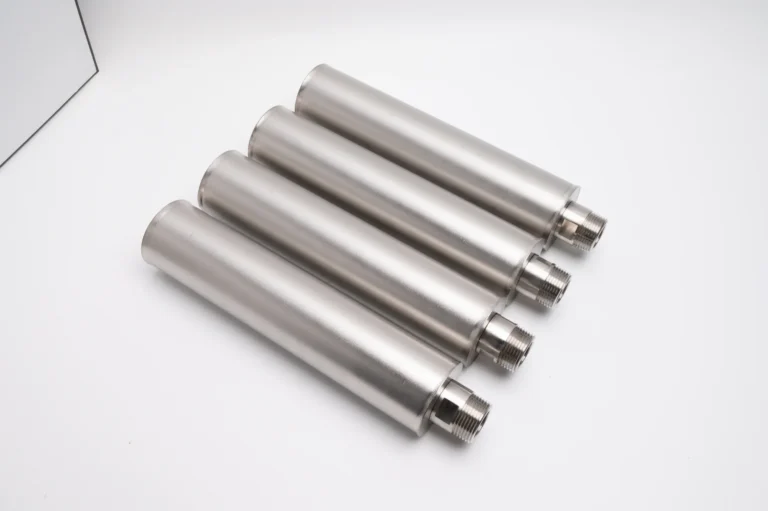
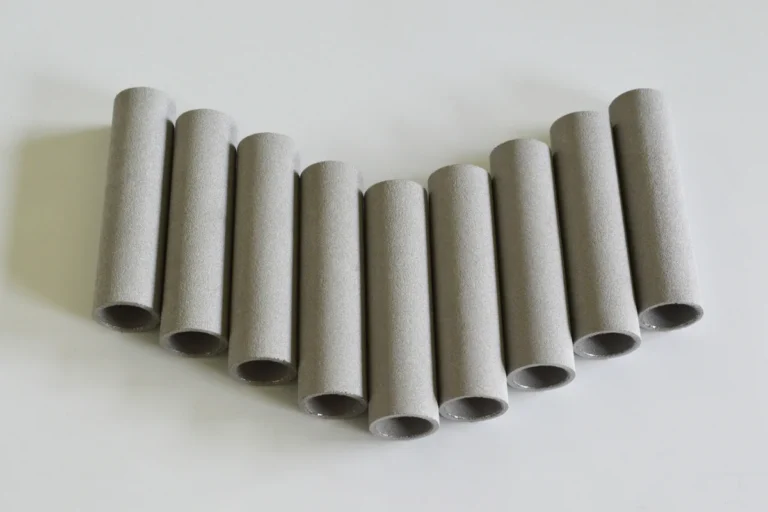
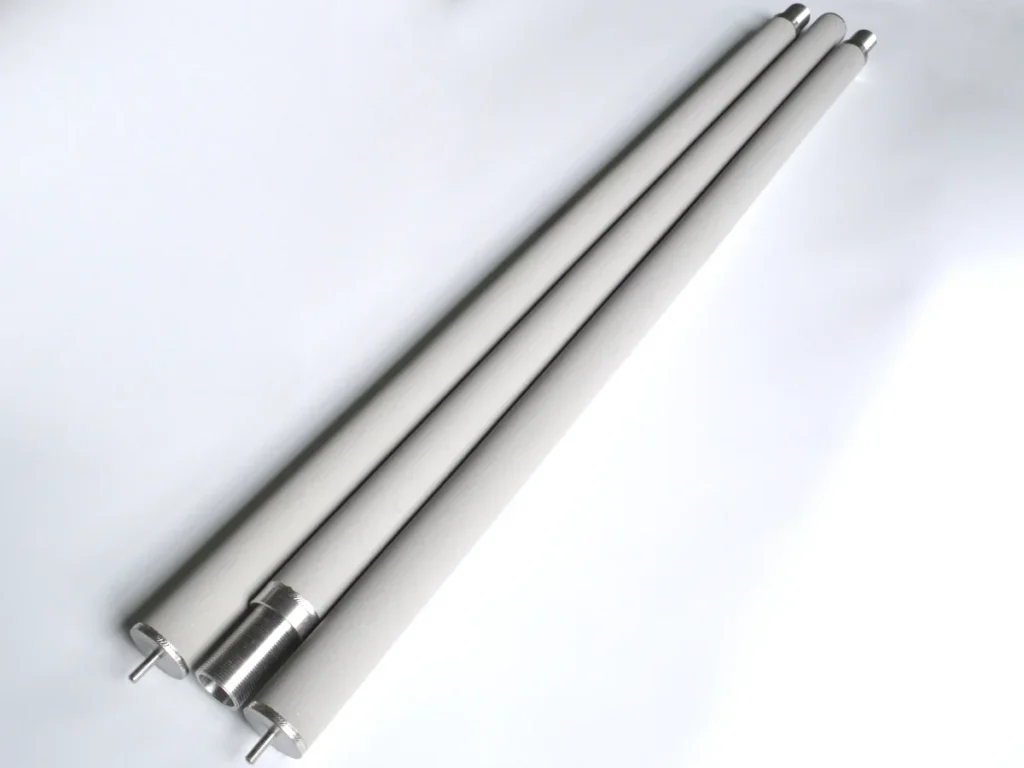
FILTURE can use this data to recommend a candidate sintered powder, sintered mesh, pleated mesh, or porous-component configuration. Performance in the final process must be verified during the buyer’s engineering and validation work.