A sintered metal filter can be considered for recovering solid catalyst particles from a process stream when representative testing confirms the required retention, throughput, pressure-drop window, and cleaning or discharge performance. Selection depends on the catalyst particle-size distribution, slurry properties, process chemistry, and intended reuse route. A nominal pore size alone cannot establish catalyst recovery yield or filtrate quality.
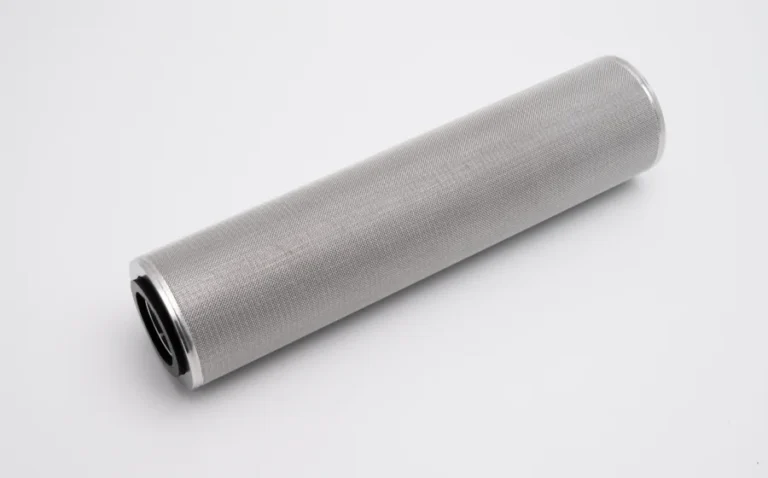
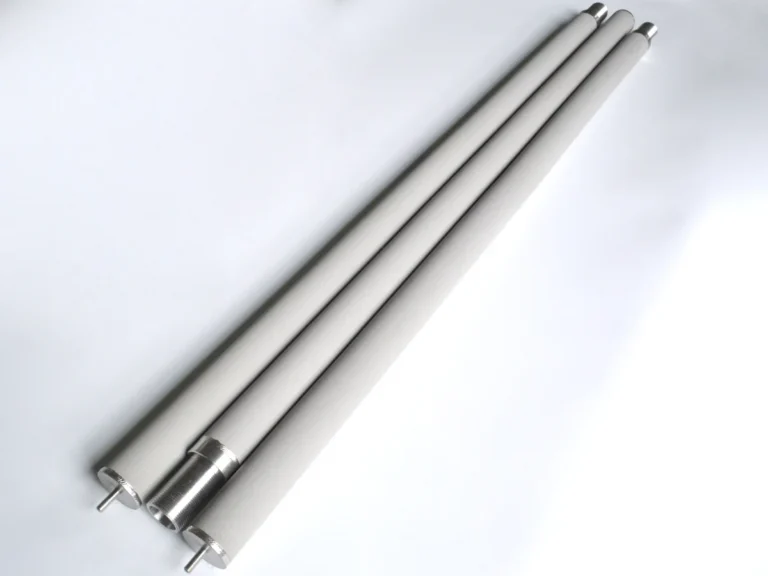
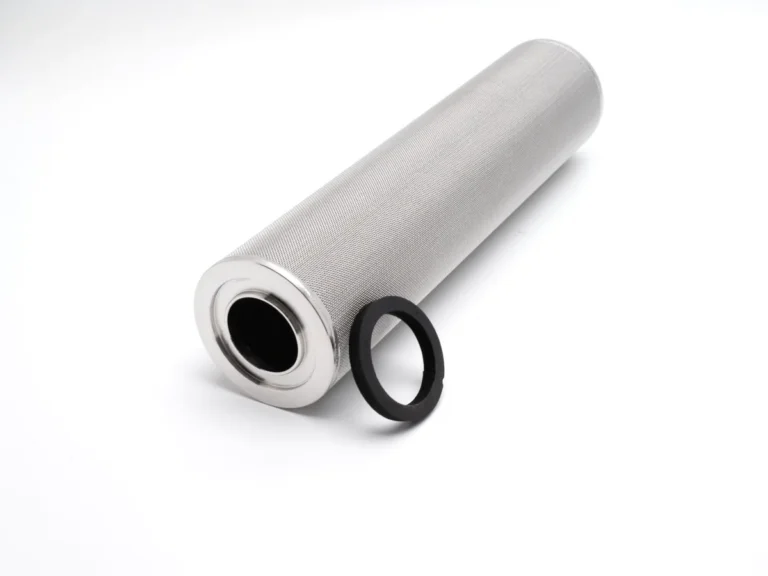
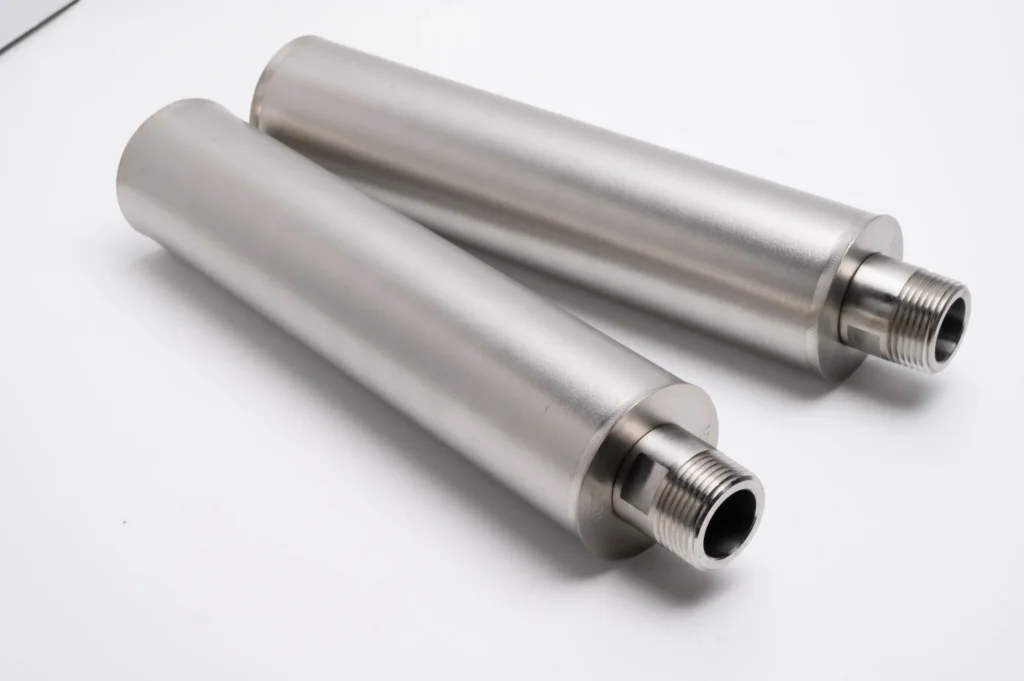
The pictured sintered powder filter elements illustrate one possible filter construction, not a validated catalyst-recovery installation. Suitability must be established for the actual process.
Define what the catalyst recovery step must achieve
Specify whether the goal is recovering valuable solids, protecting downstream equipment, meeting a filtrate-solids limit, or supporting catalyst reuse. These objectives can require different acceptance criteria. Recovered catalyst must be assessed separately for its intended reuse; filtration does not establish retained catalytic activity or acceptable contamination.
Data required before filter element selection
On smaller screens, scroll the table horizontally to view all columns.
| Input | Engineering purpose | Information to provide |
|---|---|---|
| Particle-size distribution, including fines | Define the retention challenge and possible solids breakthrough. | Results from representative samples. |
| Solids concentration and variability | Evaluate loading, cake development, and operating cycle. | Normal and maximum concentrations. |
| Liquid composition, viscosity, and temperature | Review material compatibility and hydraulic behavior. | Composition and viscosity at operating temperature. |
| Flow, operating pressure, and differential-pressure limits | Define throughput and intervention thresholds. | Clean and end-of-cycle limits. |
| Discharge and cleaning method | Determine whether retained solids can be removed without unacceptable loss or damage. | Proposed method, conditions, and recovery criteria. |
Use a representative trial to define acceptance
- Test the proposed medium and construction with representative feed, including the expected fines fraction.
- Record flow, differential pressure, filtrate solids, and cycle duration under stated conditions.
- Measure catalyst recovery using an agreed solids mass balance, including hold-up, sampling, and cleaning losses.
- Evaluate discharge or cleaning and repeat the cycle where repeatability matters.
- Inspect the element and verify the required filtration performance after cleaning.
Define the analytical method, sampling points, test duration, detection limits, and acceptance criteria before the trial. No recovery percentage, operating life, or cycle-time value is specified here; these require application data.
Application limits
Fine, deformable, or highly variable solids may require a different medium or a staged separation approach. The complete wetted assembly must be compatible with the process and cleaning fluids. Where catalyst handling introduces specific hazards, the process owner must incorporate the established handling procedure into the recovery system design.
For related design decisions, review pore size, flow, and pressure-drop selection, titanium and 316L material compatibility, and cleaning and regeneration considerations.
Discuss a catalyst recovery filtration requirement
Review our sintered metal filter cartridge options and petrochemical and chemical filtration applications. To start a selection discussion, send FILTURE your process data and acceptance criteria. The information above provides a starting point for evaluating an element; it is not a guarantee of recovery performance.