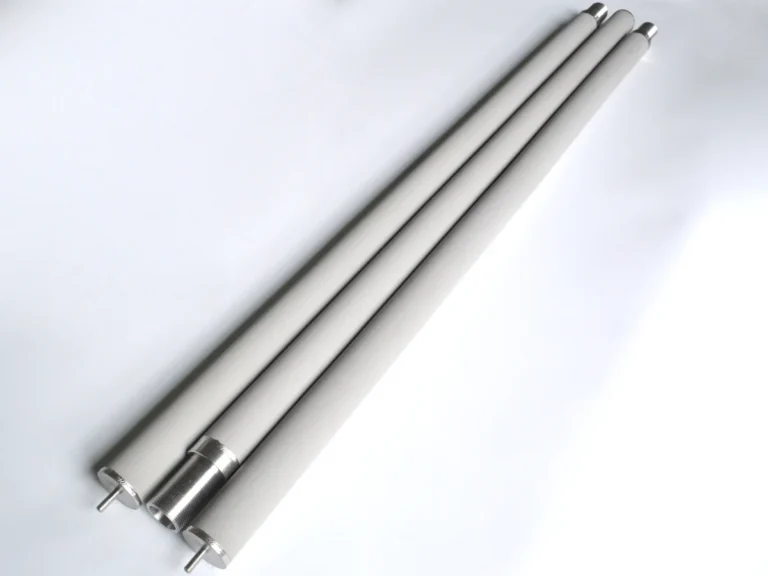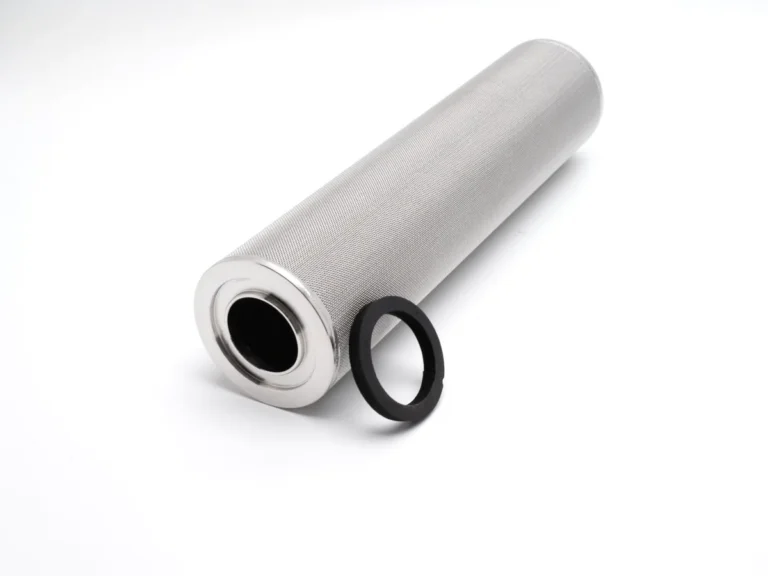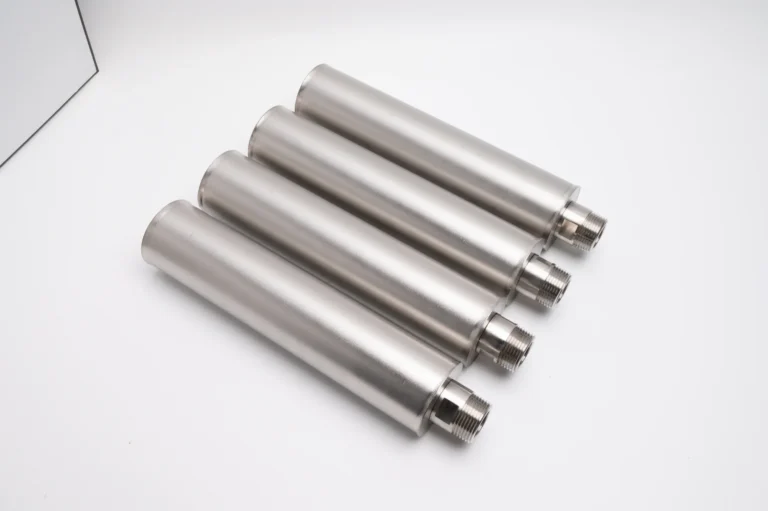
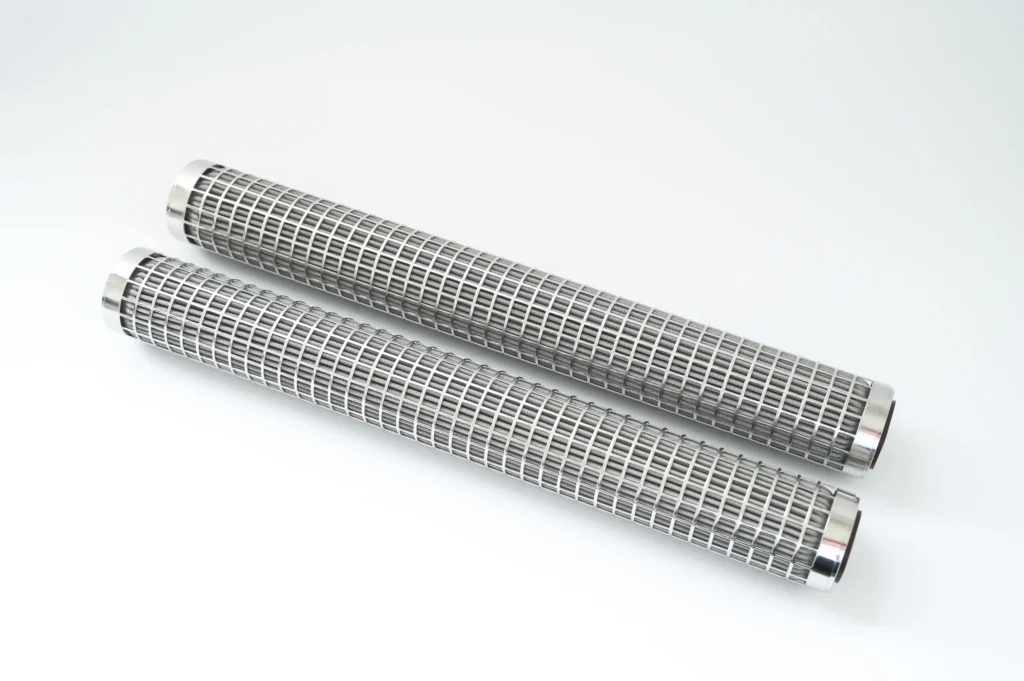
Many buyers start with one question: what filtration rating do I need? In practice, that is only part of the selection decision. In continuous industrial service, a filter often succeeds or fails based on how it handles flow rate, solids loading, pressure drop rise, cleaning frequency, and the real chemistry of the process stream. That is why a pleated metal filter cartridge is often considered when a standard flat-tube or disposable polymer cartridge no longer gives a stable service interval.
At FILTURE, pleated cartridge discussions usually come down to two product types: the SS Pleated Mesh Filter Element and the SS Pleated Felt Filter Element. Both are reusable all-metal filter elements, but they are not interchangeable in every process. This guide explains where each one fits, what specifications matter, and how to decide which structure is more practical for your system.
What Is a Pleated Metal Filter Cartridge?
A pleated metal filter cartridge is a metallic filter medium formed into a pleated geometry so that more filtration area fits inside the same housing diameter and length. In many industrial designs, pleating increases effective filtration area by roughly 3 to 5 times compared with a flat-tube element of comparable size, depending on pleat depth and cartridge geometry.
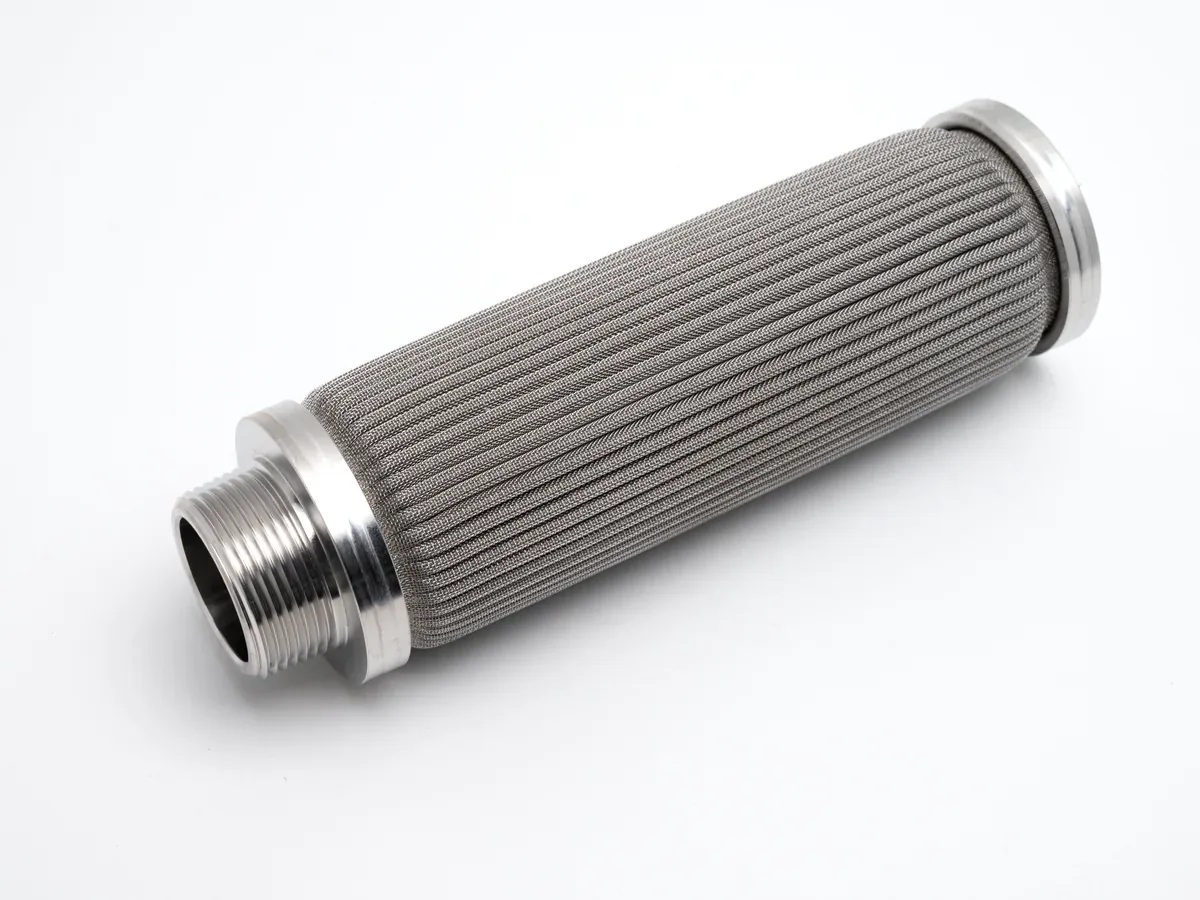
That larger area changes how the filter behaves. Surface velocity falls, solids loading spreads more evenly across the media, and differential pressure often rises more slowly over time. For plants trying to extend cleaning intervals without changing the installed housing, that is usually the main reason to move toward a stainless steel pleated filter cartridge rather than staying with a simpler non-pleated structure.
Why Industrial Systems Often Prefer Pleated Structures
Pleated construction is especially useful when the process runs continuously and maintenance windows are limited. Chemical plants, beverage lines, pharmaceutical intermediate systems, and membrane prefiltration skids usually do not want frequent shutdowns just to clean or replace filter elements. When the same housing can hold a higher-area element, the economics often improve quickly.
Pleated metal designs are also attractive when the application requires cleaning and reuse. Compared with disposable cartridges, an all-metal filter element can be a better fit where backwash, ultrasonic cleaning, solvent soak, or thermal cleaning are already part of the operating routine. FILTURE’s broader filter cartridge range includes pleated and non-pleated options, but pleated designs are usually the first place to look when service interval and total cost of ownership matter more than lowest upfront price.
When to Choose a Pleated Mesh Filter Cartridge
A pleated mesh filter cartridge uses sintered multi-layer wire mesh as the filtration medium. Based on current FILTURE product data, the standard SS pleated mesh design offers a filtration rating range of 1 to 1,000 microns, all-metal pleated construction, and an effective area increase of about 3 to 5 times over a flat-tube mesh element in the same housing.
This type is often the better choice when the process needs a relatively consistent pore structure, higher flow per housing, and strong mechanical stability under cleaning cycles. It is well suited to process liquids and gases where the solids load is moderate to high, but the system still wants predictable filtration behavior and a lower clean pressure drop than a compact flat element would give.
Typical use cases include:
- oil refinery and petrochemical process filtration
- chemical intermediate streams
- beverage and dairy processing lines with regular CIP cleaning
- water treatment prefiltration ahead of membranes
- catalyst recovery where a higher area-to-volume ratio helps extend cleaning intervals
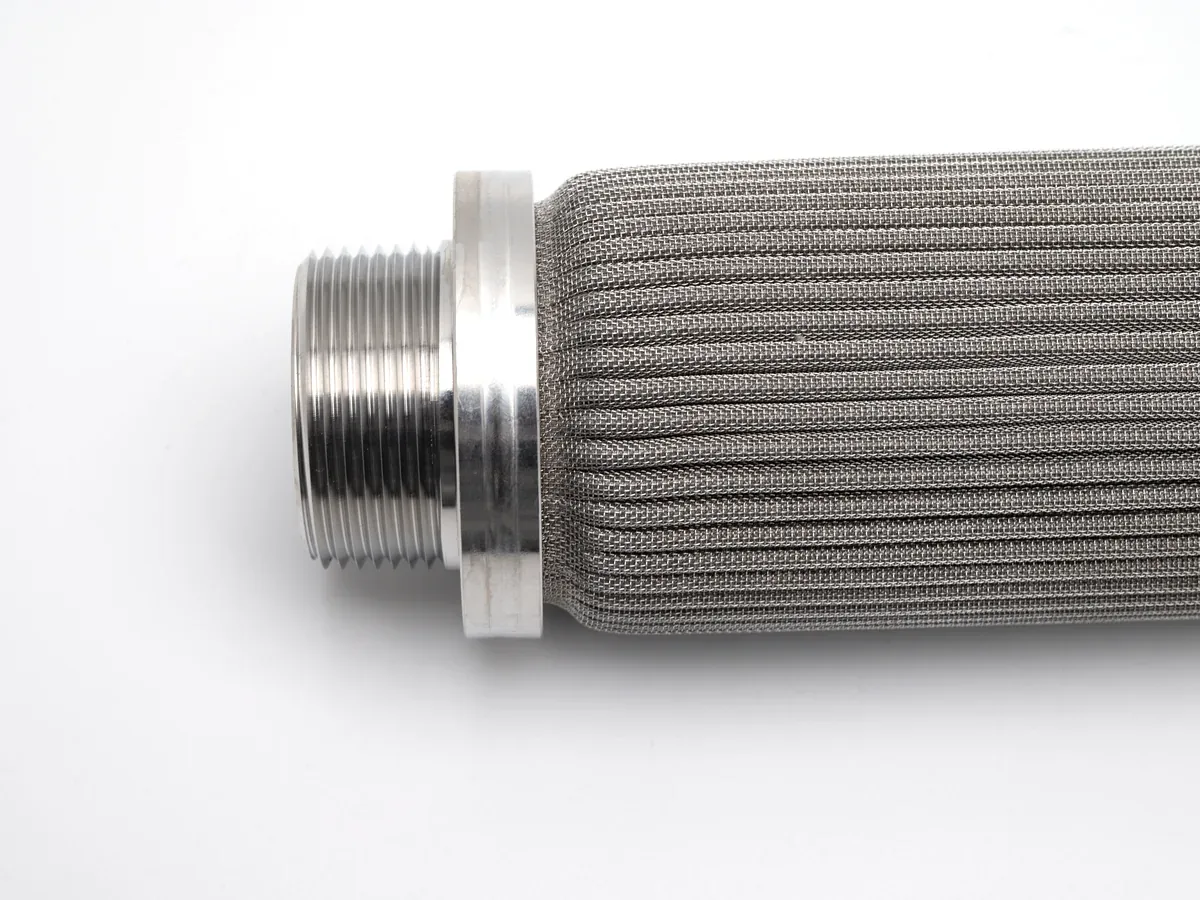
If the buyer’s priority is more throughput in the same housing, longer time before differential pressure triggers cleaning, and a robust reusable structure with no adhesive-bonded pleats, pleated sintered mesh is usually the first design to evaluate. For a broader category view, the SS Sintered Mesh Filter Element page is also useful because it shows the non-pleated reference structure that pleated mesh builds on.
When to Choose a Pleated Felt Filter Cartridge
A pleated felt filter cartridge uses sintered stainless steel fiber felt rather than sintered wire mesh. This changes the filtration mechanism. Instead of relying mainly on a structured mesh path, fiber felt offers a more open three-dimensional depth structure with high void volume. According to FILTURE’s current site data, the SS pleated felt element is typically used in the 3 to 150 micron range, with porosity around 70 to 80%.
That high porosity is what makes pleated felt attractive in difficult liquid service. Viscous feeds, variable particle size distributions, and higher solids content often create faster pressure-drop rise on a more surface-oriented medium. A pleated felt structure usually handles those duties better because particles are captured through more of the media thickness rather than only near the face of the filter.
This is why pleated felt is commonly considered for:
- polymer melt filtration
- chemical fiber and spinning-solution filtration
- catalyst recovery from process streams with fine solids
- bioprocess or broth clarification where solids loading is variable
- high-viscosity liquids that need lower pressure drop at the same flow rate
If the customer keeps saying the feed is thick, dirty, unstable, or prone to blinding conventional media too quickly, pleated felt usually deserves closer review than pleated mesh. In some cases, it can provide a more forgiving operating window before cleaning is needed.
Pleated Mesh vs. Pleated Felt: What Is the Real Difference?
The practical difference is not just the material name. It is the way each medium handles flow and solids.
Pleated mesh is generally the better fit when you want a defined filtration structure, good mechanical strength, and a reusable element for relatively stable process conditions. It is often easier to position as the higher-flow, lower-face-velocity option for liquids and gases that still need consistent filtration performance.
Pleated felt is generally the better fit when you need depth filtration, higher dirt-holding capacity, and better tolerance of viscous or solids-heavy feeds. In many real systems, the felt structure delays blinding and keeps pressure drop lower for longer at the same nominal filtration target.
In simple terms:
- Choose pleated mesh when the process favors stable pore structure, high throughput, and strong cleanability.
- Choose pleated felt when the process favors depth loading, lower pressure drop in thicker fluids, and higher solids tolerance.
What Specifications Should Buyers Confirm Before Sending an RFQ?
Good filter selection gets easier when the buyer provides enough operating detail. At minimum, the RFQ should include the process medium, operating temperature, target filtration rating, flow rate, allowable differential pressure, housing size, end-cap style, and whether the element will be backwashed or chemically cleaned.
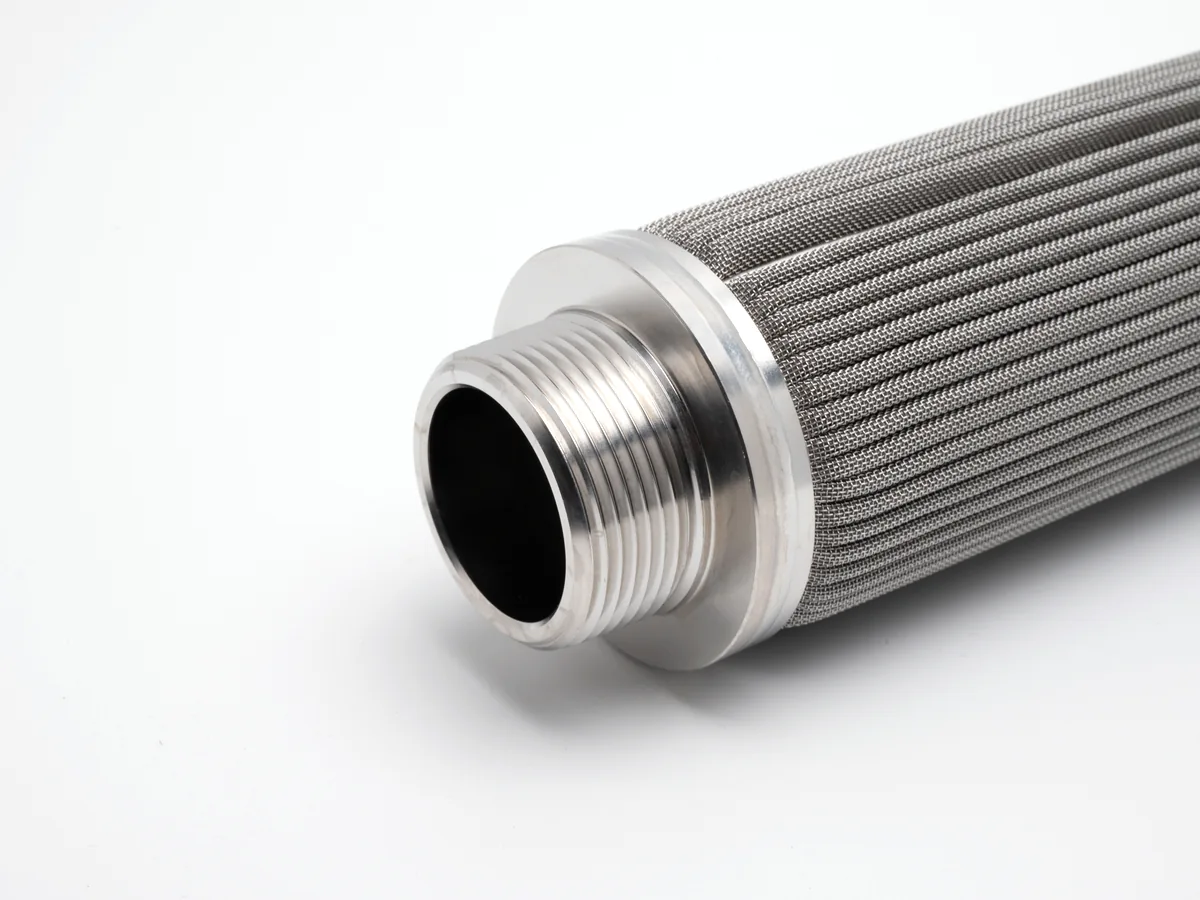
For FILTURE pleated products, connection details also matter. Existing systems may use DOE, 222, 226, fin, flat, or custom end-cap styles. If the installation geometry is wrong, even a technically correct media choice may not be directly interchangeable with the current filter setup.
If the duty involves regulatory validation, aggressive chemistry, or high temperature, the buyer should also clarify whether test data, material certificates, pore verification, or application-specific compatibility review will be required. In many B2B projects, those details affect the selection just as much as the base price.
How Internal Linking Helps the Buyer and the Page
For SEO, this topic performs best when it connects clearly to the commercial pages behind it. For users, the same logic applies. A buyer who lands on an article about metal filter cartridge selection often wants to move next to one of three places: a product page, a technical reference, or a quote form.
That is why this article should work alongside the Filter Cartridge category page, the Datasheets page, and the Get a Quote page.
Conclusion
A pleated metal filter cartridge is not a single universal solution. It is a structural approach that increases area, improves service interval potential, and supports reusable industrial filtration. But the right result still depends on choosing the correct medium for the real process.
If the duty calls for higher area, stable structure, and consistent reusable performance, a pleated mesh filter cartridge is often the better direction. If the duty involves viscous fluids, variable solids loading, and a need for higher dirt-holding capacity with depth filtration, a pleated felt filter cartridge is often the stronger candidate.
If you are comparing options for a current line or specifying a new system, review the SS Pleated Mesh Filter Element and SS Pleated Felt Filter Element pages, or send your process requirements so the element structure can be matched to the actual service conditions.