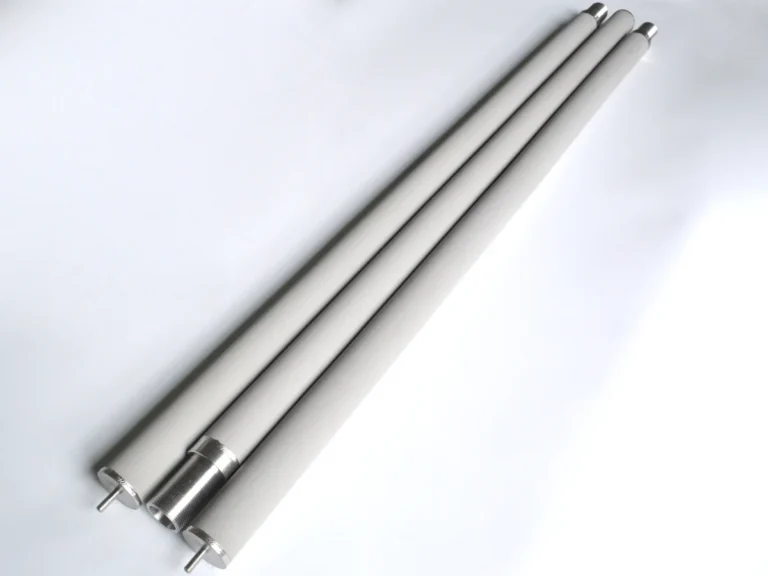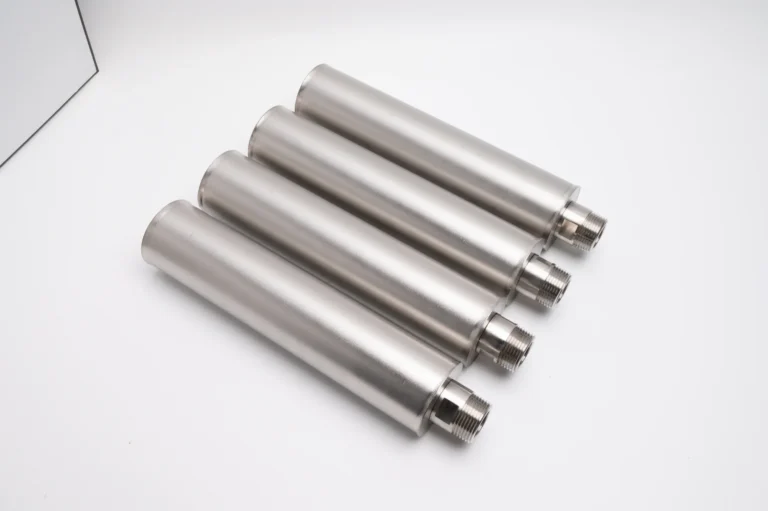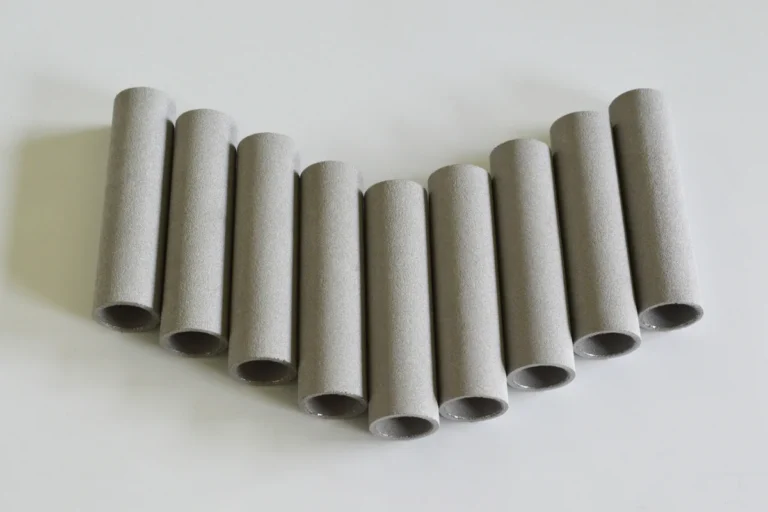
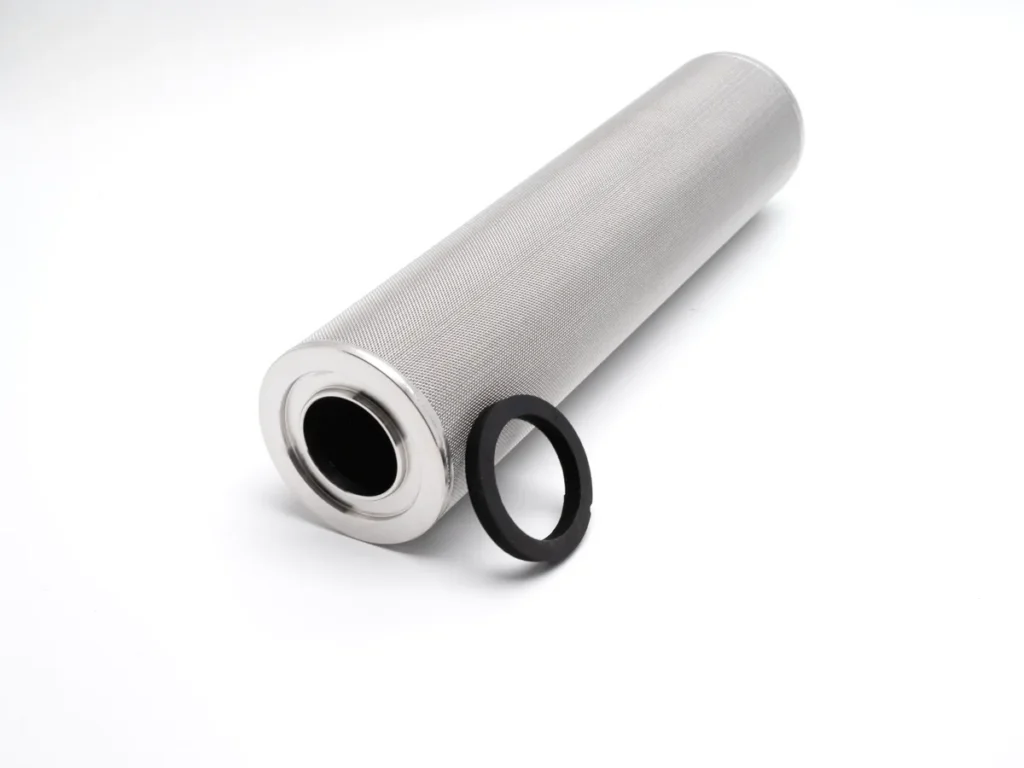
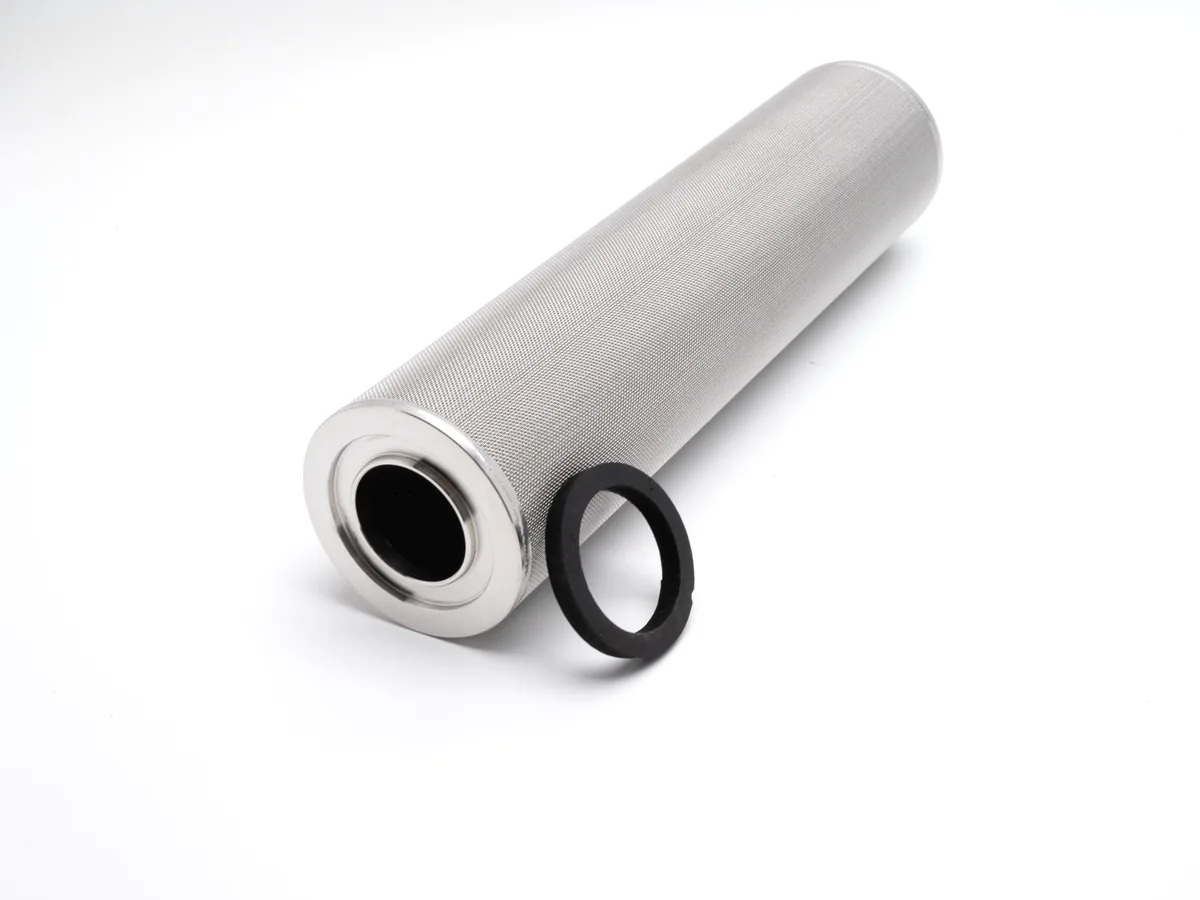
Many sintered metal filter elements can be regenerated because their filter medium is a rigid, all-metal porous structure. Reusability, however, is not automatic. It depends on the contaminant, the filter construction, the cleaning chemistry, the pressure and temperature cycle, and whether cleaning restores the required flow and retention performance.
Choose cleaning around the foulant
Back-flushing or back-blowing can be appropriate for loosely held particles. Chemical soaking may be considered for process deposits where the alloy and seals are compatible with the cleaning agent. Ultrasonic cleaning can assist with certain fouling patterns. The correct sequence and conditions should be developed for the actual process; inappropriate cleaning can damage seals, alter surfaces, or create corrosion risk.
Verify recovery, not just appearance
A clean-looking filter is not necessarily restored. A practical regeneration program records differential pressure at a defined flow, visual condition, and any relevant integrity or pore-characterisation check before and after cleaning. For critical applications, establish acceptance criteria and a maximum number of cleaning cycles during qualification.
Design choices that support serviceability
End connection, housing access, surface finish, wall thickness, and compatibility with steam or cleaning fluids should be considered before purchase. State whether the filter must be cleaned in place, removed for cleaning, or maintained under a documented procedure. The design may need different seals or a different alloy for the intended service method.
Request application-specific guidance
FILTURE can review a filter’s material, pore rating, format, and connection configuration for a proposed cleaning approach. The buyer should supply the process medium, fouling description, cleaning media, operating limits, and required test records. Final cleaning validation and process qualification must be completed by the user for their own application.