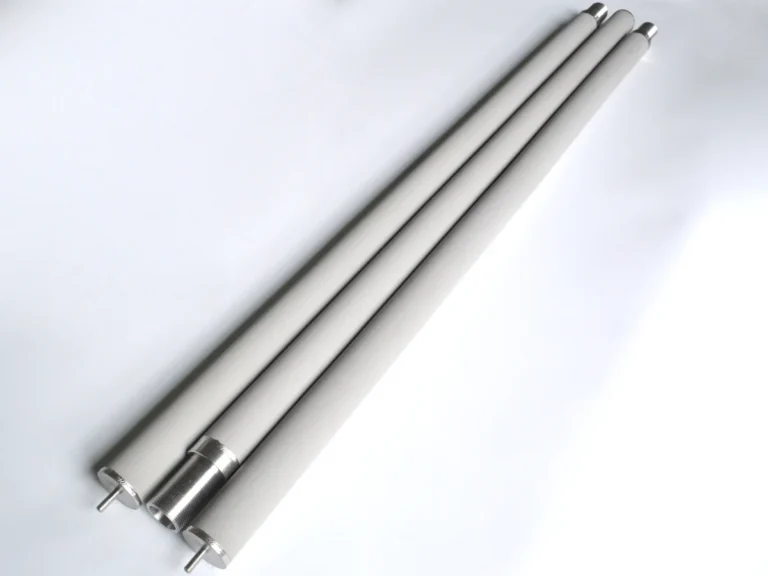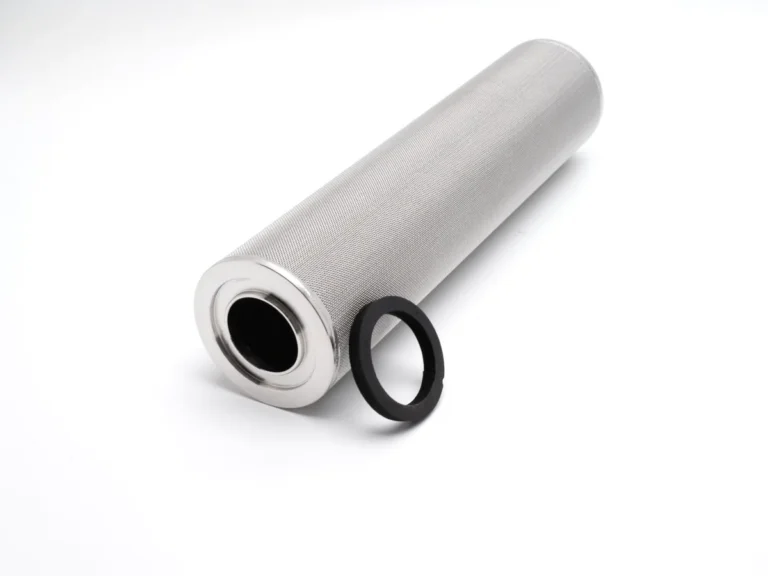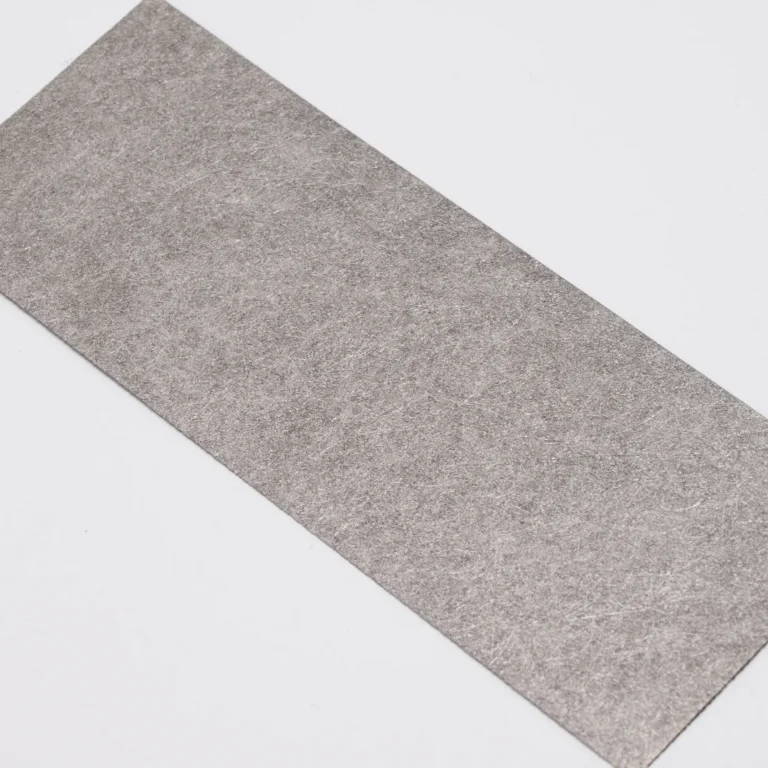
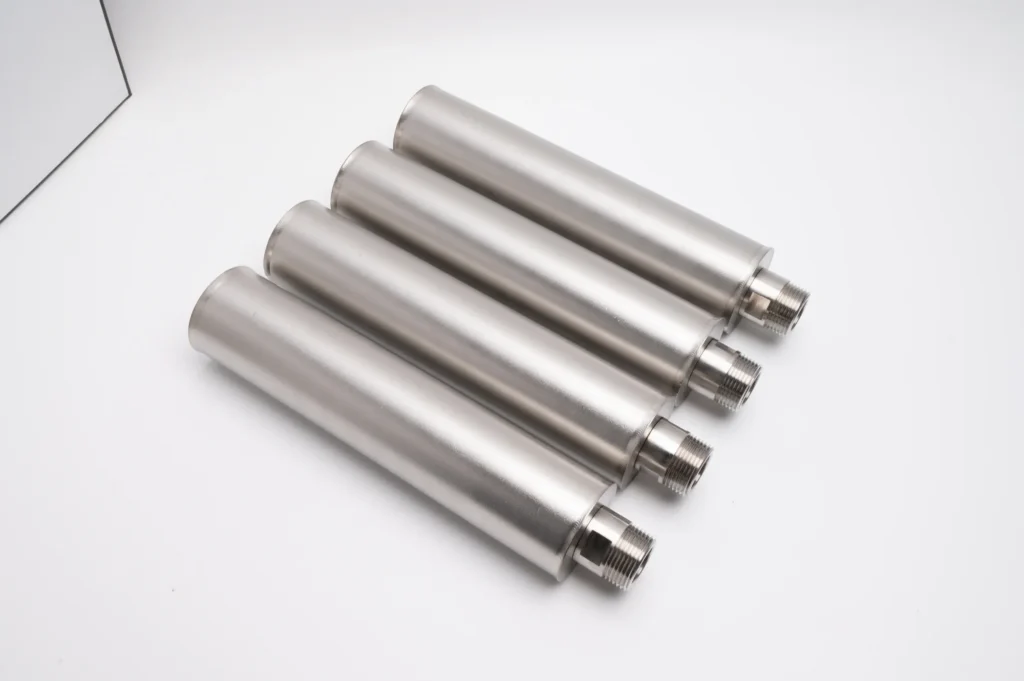
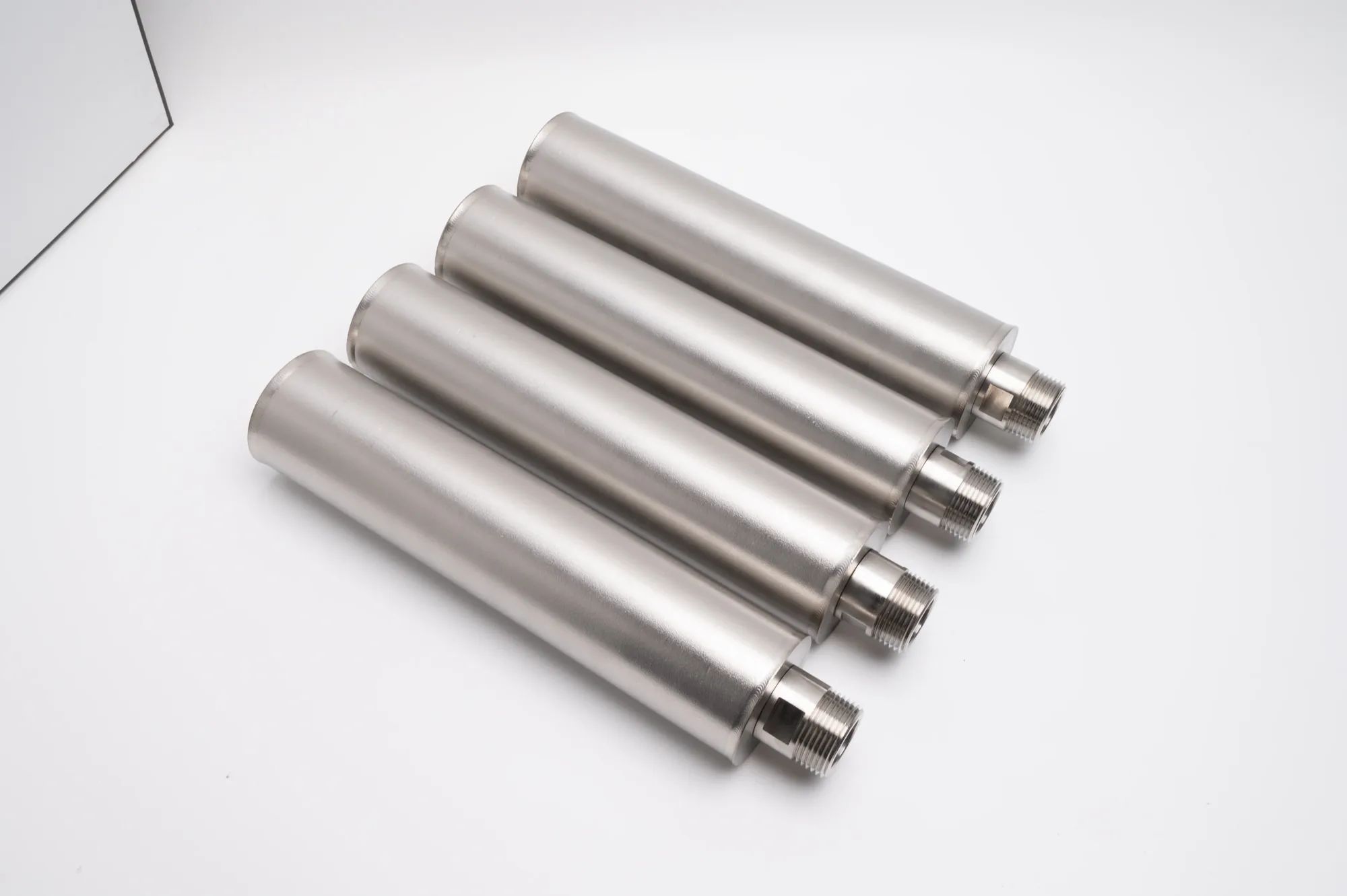
Titanium sintered filter elements: material selection depends on the actual process chemistry and operating conditions.
For an all-metal filter element, the right alloy is determined by the actual process fluid, temperature, pressure, cleaning method, and required service life—not by a general statement that one material is “better.” In most industrial projects, 316L stainless steel is a practical starting point. Pure titanium sintered filter elements become relevant when chloride-rich, oxidising, or acidic conditions make corrosion resistance the controlling requirement.
Start with process chemistry
316L is widely selected for aqueous process streams, many food and pharmaceutical utility duties, and general industrial filtration. Titanium is often evaluated for seawater, wet chlorine, selected hydrochloric or sulfuric-acid duties, and other chloride-rich environments. Concentration, temperature, oxygen content, flow conditions, and crevice design can change corrosion performance significantly. A material recommendation should therefore be confirmed against the operating envelope rather than copied from a catalogue.
Compare the filter design as well as the alloy
A sintered filter’s pore rating, wall thickness, porosity, connection style, seals, and cleaning method affect pressure loss, mechanical strength, and usable life. For example, a titanium powder-sintered element may be specified for corrosion resistance, while a multi-layer 316L sintered mesh construction may be selected where a larger pore structure or high-temperature design is required. The filter medium and the complete assembly must be considered together.
Questions to send with an RFQ
- Process fluid, concentration, contaminants, and target retention rating
- Operating and upset temperature and pressure
- Required flow rate and allowable differential pressure
- Cleaning chemistry, steam exposure, and regeneration frequency
- Dimensions, end connections, seals, and documentation requirements
How FILTURE can help
FILTURE supplies sintered stainless-steel and titanium filter elements in custom dimensions and connection styles. Provide the process conditions above through our filter quotation form together with a drawing where available. The engineering review can then identify a candidate alloy and product configuration; final material suitability and regulatory validation remain the responsibility of the end user for the actual application.